

When moving heavy molds in factories and workshops, the two most important concerns are efficiency and safety.
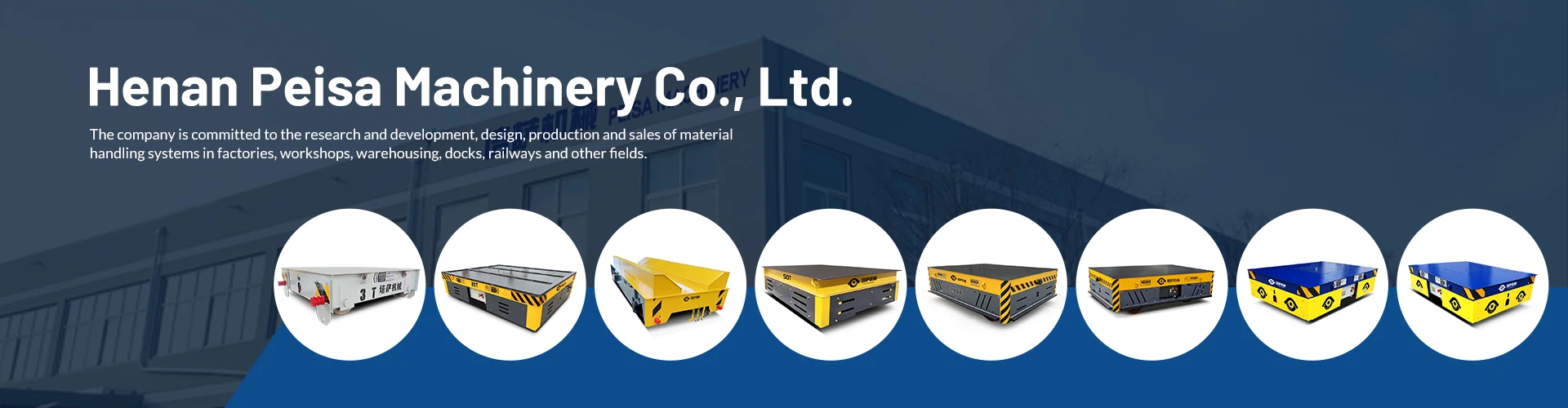
If you are still using traditional handling methods, consider an electric flat cart (also known as an electric transfer trolley). It is specifically designed for transporting heavy objects such as molds, offering ease of operation and greater reliability.
Some may ask: with so many options available for moving molds, why choose an electric flat cart? The answer is simple-its design directly addresses the common pain points of mold handling in factories, effectively solving customers' mold transportation challenges.
First, let's clarify the positioning of the electric flat cart. It is not a universal transport vehicle, but rather a dedicated solution for heavy molds.
Whether in factory workshops, shipyards, transfer stations, or docks, electric flat carts can handle tasks involving heavy molds, steel structures, and steel coils. They effectively solve the problem of heavy lifting that is too difficult or too slow using conventional methods.
The most direct benefit of choosing an electric flat cart is improved efficiency and reduced labor requirements. This helps factories save both costs and resources.

Compared with manual mold handling or traditional forklifts, the stability of an electric flat cart is outstanding.
Its frame is welded from high-quality steel, providing excellent structural strength and durability. Equipped with a wireless remote control system, it allows for precise and smooth operation.
Operators do not need to exert significant physical effort; with simple remote control operation, heavy molds can be transported steadily to designated locations.
Furthermore, because it is electrically powered, its speed and output remain stable, without sudden acceleration, deceleration, or swaying.
Even extremely heavy molds can be moved smoothly and efficiently, significantly reducing handling time and supporting a more stable production rhythm within the workshop.
In addition to improving efficiency, safety is another key reason for choosing an electric flat cart.
Molds are heavy and valuable; even minor mishandling can lead to serious accidents and financial losses.
In the past, manual mold handling often resulted in worker injuries or mold damage-common issues in many mold workshops-causing downtime and compensation costs.

Electric flat carts, however, are equipped with multiple safety features, including an emergency stop button for immediate shutdown.
The platform includes non-slip rubber pads and safety edges, supports remote operation, and can be equipped with automatic obstacle-avoidance systems. The flat surface design prevents molds from slipping or falling, minimizing accident risks.
In addition, electric flat carts offer high flexibility and customization capabilities, which is a major advantage for different factory environments.
Some molds are extremely heavy, and some workshops are too narrow for conventional handling equipment. Electric flat carts can be custom-designed according to mold weight, dimensions, and workshop conditions.
Some models can even be integrated into automated production lines, enabling remote mold transfer with minimal manual intervention and significantly improving operational efficiency.
In the long term, choosing an electric flat cart helps factories reduce overall operating costs, far beyond the initial purchase investment.
As electrically driven equipment, it requires less maintenance than fuel-powered machines and eliminates fuel consumption, reducing daily operating expenses while simplifying routine maintenance.
Furthermore, electric flat carts are highly durable and less prone to breakdowns and downtime, preventing production interruptions and minimizing financial losses caused by equipment failure.


