

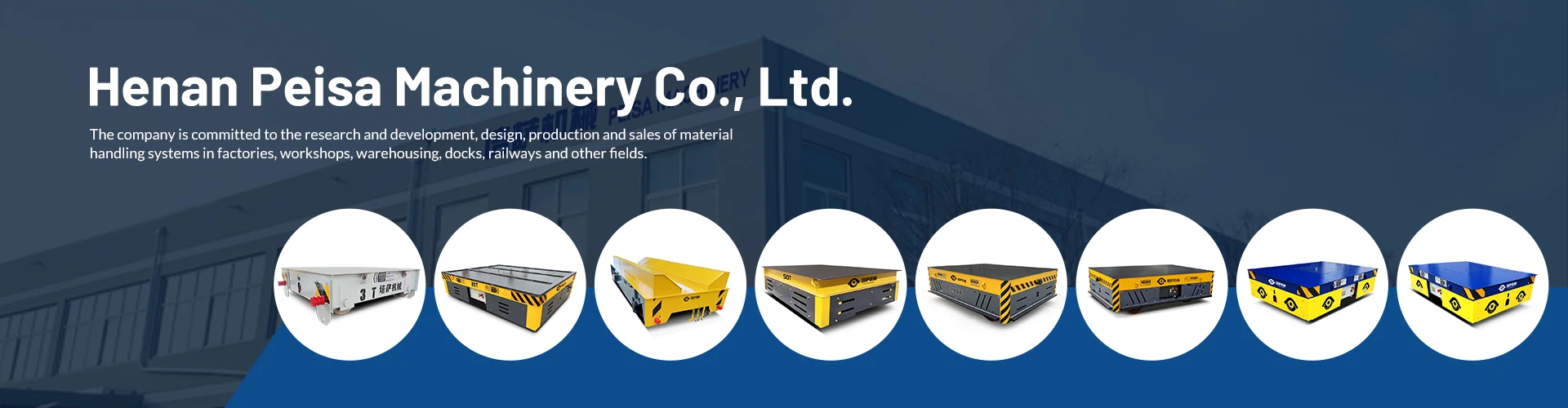
Battery-powered transfer carts (tracked / trackless electric transfer carts) are widely used for heavy material handling in workshops, steel plants, foundries and warehouses. The battery pack is the core power component that directly determines uptime, operation cost and service life of the whole cart. Most models adopt lithium iron phosphate (LiFePO4) batteries or sealed lead-acid batteries. With standardized daily inspection, correct charging and proper operation, users can effectively avoid premature battery degradation, reduce unexpected downtime and extend the battery cycle life. This guide covers life expectancy, daily checklists, charging rules, differentiated maintenance for lithium and lead-acid batteries, seasonal tips, long-term storage and troubleshooting.

1. Expected battery service life & cycle reference
LiFePO4 battery (preferred for high-frequency industrial use): 2000–3000 charge-discharge cycles, 5–8 years service life under standard maintenance. It features stable discharge, built-in BMS protection, low self-discharge and supports frequent partial charging without memory effectHenan Perf....
Sealed maintenance-free lead-acid battery: 800–1200 cycles, 2–4 years service life. Lower upfront cost, but more sensitive to deep discharge, sulfation and irregular charging.
2. Daily pre-shift & post-shift inspection checklist (must-do for operators)
Complete these checks before starting each shift and after finishing work:
1. Check the battery SOC indicator on the control panel or pendant. Do not start operation when remaining capacity is below 20%.
2. Visual check the battery housing: no bulging, cracking, liquid leakage, deformation or burnt marks.
3. Inspect cables, power plugs and terminals: no loose connection, no overheating, no corrosion, no worn insulation or extrusion damage.
4. Check the charging socket: clean, dry, no carbonization or arcing traces.
5. Listen and observe during trial run: abnormal smell, unusual heat or sudden voltage drop under load means stop use immediately.
6. Clean dust, metal scraps and coolant splashes on the battery surface with a dry soft cloth. Keep the battery compartment well ventilated.

3. Standard charging management rules (the most critical part)
1. Always use the original matched charger supplied by the cart manufacturer. Cross-use chargers with different voltage, current or protocol will damage cells and BMS.
2. Recommended recharge trigger point: 20%–30% remaining capacity. Avoid draining the battery to 0% repeatedly. Deep discharge causes irreversible capacity loss and sharp cycle reductionRemarkable.
3. Complete the full charging cycle; do not frequently interrupt charging halfway. For lead-acid batteries, frequent incomplete charging leads to sulfation on plates.
4. After fully charged, unplug the charger in time. Although most chargers have auto-stop function, long-time floating connection still accelerates aging.
5. Charging ambient temperature: 0℃ ~ 40℃. Do not charge under direct sun exposure, in high-temperature furnace areas or below-freezing open yards.
6. Keep the charging area ventilated, away from flammable materials, sparks and welding operations.
4. Differentiated maintenance: LiFePO4 VS Lead-acid
LiFePO4 battery (with BMS)
・No water adding required; low routine maintenance.
・BMS monitors cell voltage, temperature and balance. If the controller reports battery fault, stop operation and check BMS alarm records.
・Do not store fully charged for months; 40%–60% SOC is ideal for long idle storage.
・Partial charging is acceptable; no need to run empty for calibration frequently.
Sealed lead-acid battery
・Avoid staying under-discharged overnight. Discharged lead-acid batteries sulfate quickly.
・If it is a flooded lead-acid type, check electrolyte level regularly and top up with pure deionized water only (never add acid).
・Perform equalization charge monthly following manufacturer instructions to reduce sulfation.
・Do not fast charge with high current unless the battery specification allows.
5. Operating habits to reduce battery loss
Many battery failures come from improper driving rather than battery quality:
・Strictly follow the rated load limit. Overload triggers continuous high-current discharge, sharp temperature rise and permanent cell damage.
・Avoid frequent sharp acceleration, emergency stop and climbing with full load. Smooth start and steady running greatly cut peak current impact.
・Keep the cart running on flat, clean ground. Obstacle jamming will lock wheels and pull huge instant current from the battery.
・For trackless transfer carts with hydraulic steering or lifting function, do not operate continuous hydraulic actions at low battery level.

Conclusion
The battery life of a battery-powered transfer cart is not fixed by factory data. A stable maintenance system combining daily inspection, standardized charging, gentle operation and seasonal adjustment can maximize return on investment. For industrial fleets, operator training and simple log tracking are the most cost-effective ways to cut battery replacement frequency and guarantee stable material transfer workflow.


