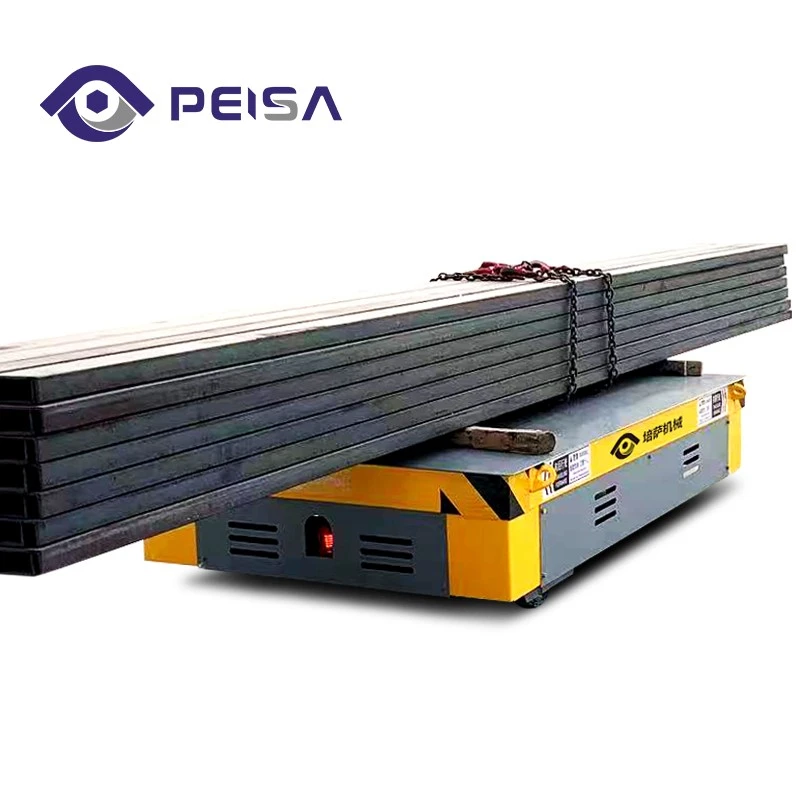
Electric transfer carts (also known as electric flat cars) are essential industrial handling equipment for factory workshops, warehouses, ports, and construction sites. The battery is the core power component that directly determines the cart's running time, working efficiency, service life, maintenance cost and overall operating performance. At present, lead-acid batteries and lithium batteries are the two mainstream power solutions for industrial electric flat cars. Each type has unique strengths and applicable working conditions.
1.Lead-Acid Battery for Electric Flat Car
Core Advantages
Low Initial Procurement Cost: It features mature and standardized production technology with low manufacturing cost. The overall configuration price of lead-acid battery electric flat cars is 30%-60% lower than that of lithium battery models, which is the best choice for customers with limited budget, short-term project use or low-frequency handling work.
Ultra-High Operational Stability & Overload Resistance: Industrial lead-acid batteries have strong tolerance to instantaneous current impact and heavy-load startup. They adapt to frequent start-stop, intermittent heavy-duty transportation and harsh factory working conditions, with extremely low failure rate in conventional industrial scenarios.
Simple & Low-Cost Maintenance: The battery structure is simple with no complicated circuit protection system. Daily maintenance only needs regular electrolyte inspection and simple charging management. Damaged single battery units can be replaced separately, avoiding overall battery pack replacement and greatly reducing later maintenance and replacement costs.
Disadvantages
Short Service & Cycle Life: The effective full charge-discharge cycle is only 300-500 times. Under daily industrial working conditions, the service life is generally 1-2 years, requiring frequent battery replacement and increasing long-term operating costs.
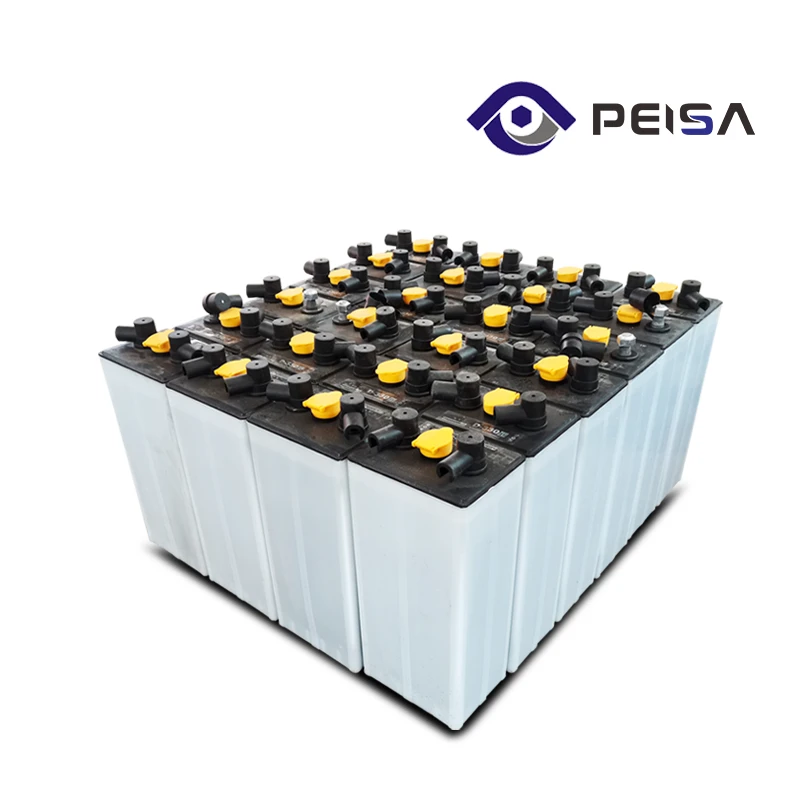
2.Lithium Battery for Electric Flat Car
Core Advantages
Super Long Service & Cycle Life: Adopts industrial lithium iron phosphate core, with 1500-3000 times full charge-discharge cycles, 5-6 times longer than lead-acid batteries. The overall service life can reach 5-8 years, greatly reducing long-term battery replacement and maintenance costs.
High Energy Density & Light Weight: The energy density is 2-3 times that of lead-acid batteries. The battery pack is small in size and light in weight, saving vehicle load space, reducing body self-weight, improving flat car operating flexibility and effectively increasing actual load capacity.
Fast Charging & High Working Efficiency: Supports industrial fast charging technology. It only takes 2-4 hours to be fully charged, realizing rapid power replenishment. It fully adapts to high-frequency, uninterrupted and high-intensity industrial handling work, greatly improving workshop operation efficiency.
Disadvantages
High Initial Investment Cost: The unit price of industrial lithium batteries is 2-4 times higher than lead-acid batteries, resulting in higher one-time procurement cost of equipment, which is not suitable for ultra-low-budget short-term projects.