

Analysis of Wheel Materials for Trackless Transfer Carts
Among wheeled mobile equipment, the DWP series Trackless Transfer Cart is very popular with customers. Today, we'll explain the wheel materials commonly used in these wheeled electric flat carts.
Polyurethane wheels and rubber wheels are frequently used on Trackless Transfer Carts and are essential components of the equipment. Different wheel materials offer different performance characteristics, making them suitable for various operating conditions and environments. These two types of wheels provide versatile solutions for material transportation across different scenarios.
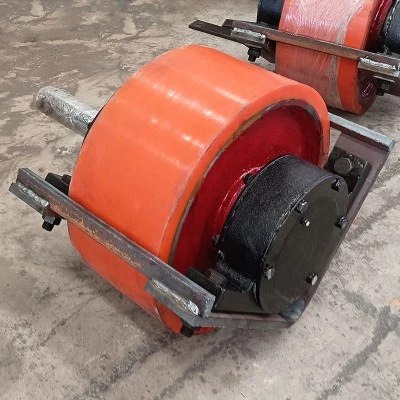
Rubber wheels
Rubber wheels are widely used in specific scenarios: rough and uneven surfaces, gantry crane tracks, sloped areas, epoxy floors, etc.
Polyurethane wheels
Polyurethane wheels are better suited for smooth pavements because of their rigid material, which makes them unsuitable for potholed or rough road conditions.

Polyurethane Wheels
Trackless Transfer Carts equipped with polyurethane wheels use wheels made from high-strength, wear-resistant polyurethane polymers. As the name suggests, these wheels provide excellent wear resistance and durability. They also offer a high load-bearing capacity, making them an excellent choice for transporting ultra-heavy loads.
Rubber Wheels
Rubber wheels are favored by customers for their excellent shock absorption and broad application range. They are generally divided into two types: solid rubber and pneumatic (inflatable) rubber wheels.
Solid rubber wheels are known for their high wear resistance and easy maintenance, making them ideal for applications involving heavy loads and frequent movement.

The choice between these two wheel materials depends on specific working conditions.
For smooth concrete floors and epoxy floors, either polyurethane (PU) wheels or rubber wheels work well.However, in harsh environments - such as rough surfaces, slightly uneven or pitted ground, or areas where the cart crosses gantry rails - rubber wheels are required. In some cases, large‑diameter patterned rubber wheels are even more suitable.
Rubber is elastic and wear‑resistant. Polyurethane, while high in hardness, is prone to cuts and damage under these tough conditions.


