

Hey there! As a supplier of Ferry Transfer Carts, I often get asked a bunch of questions about our products. One question that pops up quite a bit is, "Can a Ferry Transfer Cart be used in cold weather?" Well, let's dive right into this topic and break it down.
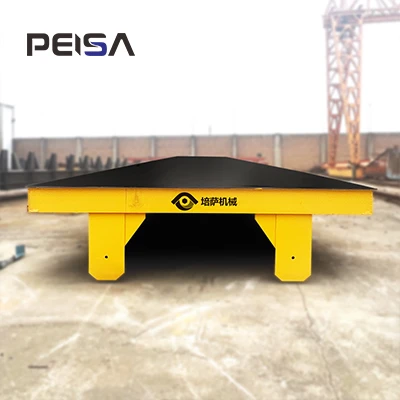
First off, let's understand what a Ferry Transfer Cart is. It's a handy piece of equipment designed to move heavy loads across different areas, usually in industrial settings. We've got different types, like the Conveyor Transfer Cart, Motorized Rail Transfer Cart, and Equipment Transfer Cart. These carts are built tough to handle all sorts of jobs, but cold weather can throw a bit of a curveball.
How Cold Weather Affects Ferry Transfer Carts
Cold weather can have several impacts on Ferry Transfer Carts. One of the main areas it affects is the battery. Batteries are like the heart of these carts, providing the power they need to move. In cold temperatures, the chemical reactions inside the battery slow down. This means the battery can't deliver as much power as it would in normal conditions. You might notice that the cart doesn't run as long on a single charge in cold weather. For example, if your cart usually lasts for a full shift on a charge, in really cold conditions, it might only last half a shift.
Another part that can be affected is the tires. Rubber tires can become stiff in cold weather. When the tires are stiff, they don't grip the ground as well. This can make it harder for the cart to move smoothly, and there's a higher risk of slipping, especially if the ground is also wet or icy. It's like trying to walk on ice in shoes that don't have good traction.
The lubricants used in the cart's moving parts are also at risk. Lubricants are important because they reduce friction between different components, making the cart run smoothly. But in cold weather, these lubricants can thicken. When the lubricant thickens, it doesn't flow as well, and the parts might not move as freely as they should. This can lead to increased wear and tear on the cart over time.
Can They Still Be Used?
The good news is that yes, Ferry Transfer Carts can still be used in cold weather. But there are some things you need to do to make sure they work properly.
First, let's talk about the battery. If you're using a cart in cold weather, it's a good idea to keep the battery as warm as possible. You can do this by storing the cart in a heated area when it's not in use. Some people even use battery warmers, which are like little heaters that keep the battery at a more optimal temperature. This helps the battery perform better and last longer.
For the tires, you might want to consider using tires that are designed for cold weather. These tires are made from a special type of rubber that stays more flexible in low temperatures. They provide better traction, which means the cart can move more safely and smoothly.
When it comes to the lubricants, you should use lubricants that are rated for cold temperatures. These lubricants are formulated to stay thin and flow well even in cold conditions. By using the right lubricant, you can ensure that the moving parts of the cart continue to work properly.
Maintenance in Cold Weather
Maintenance is even more important when you're using Ferry Transfer Carts in cold weather. You should check the battery regularly to make sure it's charged and in good condition. Look for any signs of damage, like cracks or leaks. If you notice any problems, it's best to get the battery replaced as soon as possible.
Inspect the tires for wear and tear. Check the tire pressure too, because cold weather can cause the pressure to drop. If the tire pressure is too low, it can affect the cart's performance and increase the risk of a flat tire.
Don't forget about the lubricants. Make sure they're at the right level and that they're still flowing properly. If you notice that the lubricant has thickened, it might be time to change it.
Real - World Examples
I've had customers who use our Ferry Transfer Carts in cold climates, like in northern parts of the country where the winters are really harsh. One customer who runs a large warehouse told me that they were initially worried about using the carts in the cold. But after following our advice on battery care, tire selection, and lubricant use, they've been able to use the carts without any major issues. They've even noticed an improvement in the cart's performance compared to when they first started using them in the cold.

Another customer in a mining operation said that they had some problems with the carts slipping on icy surfaces. After switching to cold - weather tires, the issue was resolved, and the carts have been running smoothly ever since.
Conclusion
So, to answer the question, "Can a Ferry Transfer Cart be used in cold weather?" The answer is a definite yes. With the right precautions and maintenance, these carts can handle the cold just fine. Whether you're using a Conveyor Transfer Cart, Motorized Rail Transfer Cart, or Equipment Transfer Cart, you can make sure they perform well in cold conditions.
If you're in the market for a Ferry Transfer Cart or have any questions about using them in cold weather, don't hesitate to reach out. We're here to help you find the right cart for your needs and provide you with all the support you need to keep it running smoothly.
References
- General knowledge about industrial equipment operation in cold environments
- Customer feedback and experiences with Ferry Transfer Carts in cold weather