

When it comes to industrial equipment, the die transfer cart is a crucial asset for many manufacturing processes. It's designed to move heavy dies and materials within a factory or workshop efficiently. However, a common question that arises is whether a die transfer cart can be used in a corrosive environment. As a die transfer cart supplier, I'll delve into this topic, exploring the challenges, solutions, and considerations involved in using these carts in such harsh conditions.
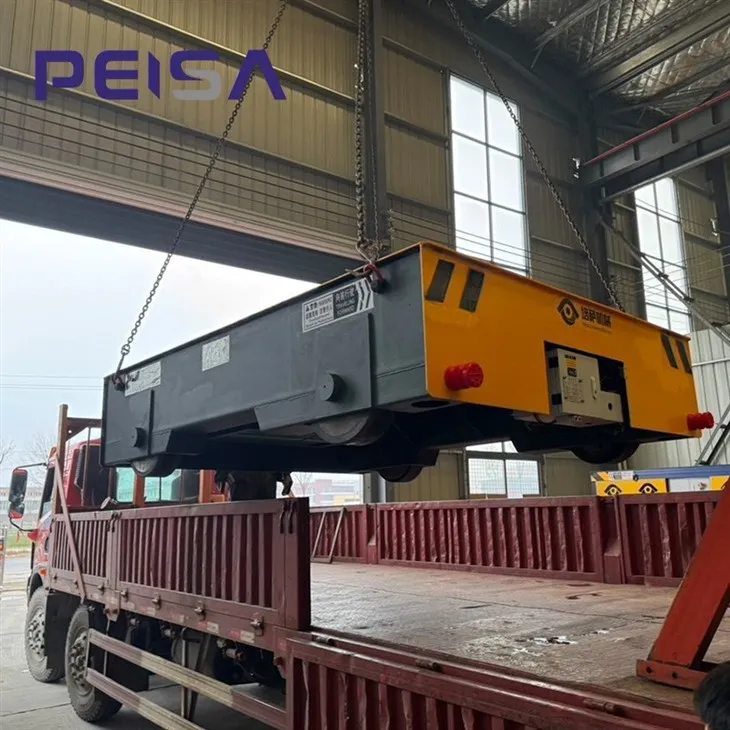

Understanding Corrosive Environments
Corrosive environments are characterized by the presence of substances that can cause damage to materials over time. These substances can include chemicals, acids, alkalis, salts, and moisture. In industrial settings, corrosive environments are often found in chemical plants, metal finishing facilities, food processing plants, and wastewater treatment plants. The corrosive agents in these environments can react with the metal components of a die transfer cart, leading to rust, corrosion, and ultimately, equipment failure.
Challenges of Using Die Transfer Carts in Corrosive Environments
The primary challenge of using a die transfer cart in a corrosive environment is the potential damage to the cart's structure and components. Corrosion can weaken the metal frame of the cart, leading to structural failures and safety hazards. It can also affect the electrical systems, motors, and controls, causing malfunctions and downtime. Additionally, corrosion can reduce the lifespan of the cart, increasing maintenance costs and the frequency of replacements.
Another challenge is the impact of corrosive substances on the cart's wheels and tracks. Corrosion can cause the wheels to wear out more quickly, leading to uneven movement and reduced efficiency. It can also damage the tracks, causing the cart to derail or become stuck. In some cases, the corrosive substances can even penetrate the bearings and other moving parts, causing excessive friction and wear.
Solutions for Using Die Transfer Carts in Corrosive Environments
Despite the challenges, it is possible to use die transfer carts in corrosive environments with the right solutions. Here are some strategies that can help protect the cart from corrosion and ensure its long-term performance:
- Material Selection: Choose materials that are resistant to corrosion, such as stainless steel, aluminum, or fiberglass. These materials can withstand the effects of corrosive substances better than traditional carbon steel. For example, stainless steel is highly resistant to rust and corrosion, making it an ideal choice for the frame and components of the cart.
- Coating and Painting: Apply a protective coating or paint to the cart's surface to create a barrier between the metal and the corrosive environment. There are various types of coatings available, including epoxy, polyurethane, and zinc-rich paints. These coatings can provide excellent corrosion resistance and can be customized to meet the specific requirements of the environment.
- Sealing and Enclosure: Seal all the openings and joints in the cart to prevent the ingress of corrosive substances. Use gaskets, seals, and O-rings to create a tight seal around doors, hatches, and electrical connections. Additionally, consider enclosing the cart's electrical components in a protective cabinet to prevent them from coming into contact with corrosive agents.
- Regular Maintenance: Implement a regular maintenance schedule to inspect the cart for signs of corrosion and damage. Clean the cart regularly to remove any dirt, debris, or corrosive substances that may have accumulated on its surface. Lubricate the moving parts to reduce friction and wear, and replace any damaged or worn components promptly.
- Design Modifications: Consider making design modifications to the cart to improve its resistance to corrosion. For example, use a higher ground clearance to prevent the cart from coming into contact with standing water or corrosive substances on the floor. Install drainage holes in the frame to allow water to drain away quickly, and use a sloped design to prevent water from pooling on the cart's surface.
Considerations for Die Transfer Cart Selection in Corrosive Environments
When selecting a die transfer cart for use in a corrosive environment, it's important to consider the following factors:
- Environment Conditions: Evaluate the specific corrosive agents present in the environment, such as chemicals, acids, alkalis, salts, and moisture. Determine the concentration and frequency of exposure to these agents to select a cart that can withstand the conditions.
- Load Capacity and Size: Consider the load capacity and size requirements of the cart. Ensure that the cart can handle the weight and dimensions of the dies and materials that need to be transported. Additionally, consider the available space in the facility and the layout of the tracks or guides to ensure that the cart can operate safely and efficiently.
- Power Source: Choose a power source that is suitable for the corrosive environment. Electric material transfer carts are a popular choice as they are clean, efficient, and easy to maintain. They are also less likely to pose a fire or explosion hazard in a corrosive environment. You can learn more about our Electric Material Transfer Cart.
- Control System: Select a control system that is reliable and easy to operate. The control system should allow the operator to control the speed, direction, and braking of the cart accurately. Additionally, consider the safety features of the control system, such as emergency stop buttons and overload protection.
- Vendor Support: Choose a vendor that has experience in providing die transfer carts for corrosive environments. The vendor should be able to provide technical support, maintenance services, and replacement parts as needed. They should also be able to offer customized solutions to meet the specific requirements of your facility.
Benefits of Using Die Transfer Carts in Corrosive Environments
Despite the challenges, using die transfer carts in corrosive environments can offer several benefits:
- Increased Efficiency: Die transfer carts can significantly improve the efficiency of material handling processes in a factory or workshop. They can move heavy dies and materials quickly and accurately, reducing the time and effort required for manual handling.
- Improved Safety: By using die transfer carts, you can reduce the risk of accidents and injuries associated with manual material handling. The carts are designed with safety features such as emergency stop buttons, overload protection, and anti-collision devices to ensure the safety of the operators and the equipment.
- Cost Savings: Investing in a die transfer cart can result in long-term cost savings. By improving efficiency and reducing downtime, the cart can increase productivity and reduce labor costs. Additionally, by choosing a cart that is resistant to corrosion, you can extend its lifespan and reduce the frequency of replacements and maintenance costs.
Conclusion
In conclusion, while using a die transfer cart in a corrosive environment presents some challenges, it is possible to overcome them with the right solutions and considerations. By selecting the appropriate materials, applying protective coatings, implementing regular maintenance, and choosing the right vendor, you can ensure that your die transfer cart can operate safely and efficiently in a corrosive environment. If you're in the market for a die transfer cart for a corrosive environment, we invite you to contact us to discuss your specific requirements and explore our range of Factory Transfer Cart and Mold Transfer Trolley options.
References
- ASM Handbook, Volume 13A: Corrosion: Fundamentals, Testing, and Protection
- ASTM International Standards on Corrosion Testing and Evaluation
- NACE International: The Corrosion Society Guidelines for Corrosion Prevention and Control in Industrial Environments