

Hey there! As a supplier of custom transfer carts, I often get asked about the noise level of these carts during operation. It's a crucial factor, especially in industrial settings where excessive noise can not only be a nuisance but also pose health risks to workers. In this blog, I'll break down what affects the noise level of custom transfer carts and how we ensure a quiet and efficient operation.
First off, let's understand what custom transfer carts are. These are specialized vehicles designed to move heavy loads within a factory, warehouse, or other industrial environments. We offer a variety of types, including the Unpowered Industrial Trailer, Tractor Transfer Cart, and Industrial Vehicles. Each type has its own unique features and functions, but they all share the common goal of transporting goods safely and efficiently.
Now, what causes the noise in custom transfer carts? There are several factors at play. One of the main sources of noise is the motor. If the motor is old, poorly maintained, or not properly insulated, it can produce a significant amount of noise. The type of motor also matters. For example, electric motors tend to be quieter than combustion engines. We use high - quality electric motors in our custom transfer carts, which are designed to operate with minimal noise.
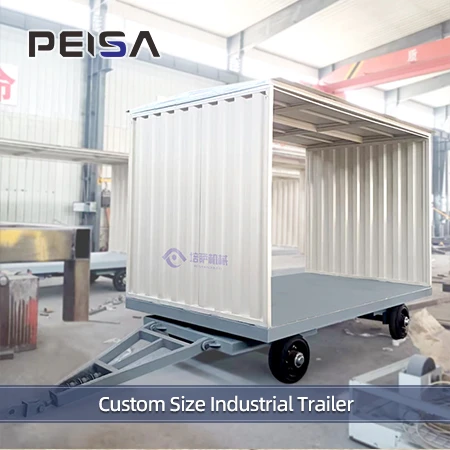

Another factor is the wheels. The interaction between the wheels and the floor surface can create noise. Rough or uneven floors can cause the wheels to vibrate and generate more sound. To combat this, we use wheels made from materials that are designed to reduce noise. These wheels have a smooth rolling action and are less likely to make a racket on the floor.
The mechanical components of the cart, such as gears and bearings, can also contribute to the noise level. Worn - out gears or loose bearings can produce a grinding or rattling sound. That's why we pay close attention to the quality of these components. We use precision - engineered gears and high - quality bearings that are properly lubricated and maintained. This helps to minimize the noise generated by the mechanical parts of the cart.
The load on the cart can also affect the noise level. A heavily loaded cart may put more stress on the motor and wheels, causing them to work harder and produce more noise. However, our custom transfer carts are designed to handle heavy loads efficiently. We use advanced engineering techniques to ensure that the cart's components can handle the weight without excessive strain, which helps to keep the noise level down.
So, how do we measure the noise level of our custom transfer carts? We use specialized noise - measuring equipment to test the carts during operation. This equipment measures the sound pressure level in decibels (dB). The acceptable noise level in an industrial environment is typically around 85 dB. Our custom transfer carts are designed to operate well below this level, usually in the range of 60 - 75 dB. This is comparable to the noise level of a normal conversation, which means that our carts won't disrupt the work environment.
To further reduce the noise level, we also offer additional noise - reduction features. For example, we can install sound - insulating materials inside the cart's enclosure. These materials absorb the sound waves and prevent them from escaping, making the cart even quieter. We can also customize the cart's design to minimize the vibration and noise generated by the moving parts.
In addition to the technical aspects, we also understand the importance of customer satisfaction. That's why we work closely with our clients to understand their specific needs. If a customer has a particular noise - level requirement, we can tailor the design of the custom transfer cart to meet that need. We can adjust the components, materials, and features of the cart to ensure that it operates within the desired noise range.
We also provide regular maintenance services for our custom transfer carts. Proper maintenance is essential for keeping the noise level down. During maintenance, we check the motor, wheels, gears, and bearings for any signs of wear or damage. We clean and lubricate the components, and replace any parts that are worn out. This helps to keep the cart running smoothly and quietly.
When it comes to choosing a custom transfer cart, the noise level is just one of the many factors to consider. However, it's an important one, especially in a work environment where noise can be a problem. Our custom transfer carts offer a combination of low noise, high performance, and durability. Whether you need to move heavy loads in a factory, warehouse, or other industrial setting, we have the right solution for you.
If you're in the market for a custom transfer cart and are concerned about the noise level, don't hesitate to get in touch with us. We can provide you with more information about our products, answer your questions, and help you choose the cart that's best for your needs. We're committed to providing high - quality custom transfer carts that meet the highest standards of performance and noise reduction.
In conclusion, the noise level of a custom transfer cart during operation is influenced by several factors, including the motor, wheels, mechanical components, and the load. At our company, we take all these factors into account when designing and manufacturing our custom transfer carts. We use high - quality components, advanced engineering techniques, and additional noise - reduction features to ensure that our carts operate quietly and efficiently. If you're interested in learning more about our custom transfer carts or have any questions about the noise level, feel free to contact us. We're here to help you find the perfect solution for your industrial transportation needs.
References
- General industrial noise control guidelines from industry standards organizations
- Technical specifications and research on electric motors and their noise - reduction capabilities
- Studies on the impact of wheel materials on noise generation in industrial vehicles