

What is the load - carrying capacity of a Mold Transfer Trolley?
As a supplier of Mold Transfer Trolleys, I've often been asked about the load - carrying capacity of these essential industrial vehicles. Understanding this aspect is crucial for businesses in various industries, such as automotive, aerospace, and manufacturing, where molds need to be transported safely and efficiently.
Understanding the Basics of Load - Carrying Capacity
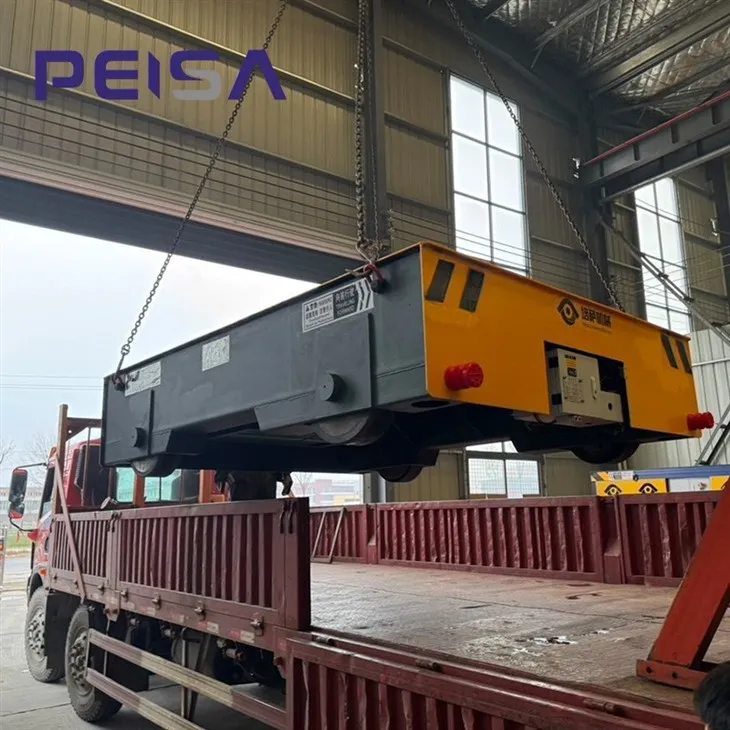
The load - carrying capacity of a Mold Transfer Trolley refers to the maximum weight that the trolley can safely carry during its operation. This capacity is determined by several factors, including the design of the trolley, the materials used in its construction, and the type of wheels and drive system.

Design Considerations
The structural design of a Mold Transfer Trolley plays a significant role in determining its load - carrying capacity. A well - designed trolley will have a sturdy frame that can distribute the weight of the load evenly. For example, a trolley with a steel frame that is reinforced at key points can handle heavier loads compared to a trolley with a weaker or less - reinforced frame. The shape of the platform on which the mold is placed also matters. A flat and wide platform can provide better stability for larger and heavier molds, while a narrow or uneven platform may limit the load capacity.
Material Selection
The materials used in the construction of the trolley are another critical factor. High - strength steel is commonly used for the frame and other load - bearing components due to its excellent strength - to - weight ratio. This allows the trolley to carry heavy loads without being overly bulky or heavy itself. Additionally, the wheels of the trolley are usually made of materials that can withstand high pressures, such as polyurethane or forged steel. These materials can provide good traction and durability, which are essential for safely transporting heavy molds.
Wheels and Drive System
The type of wheels and drive system on a Mold Transfer Trolley can also affect its load - carrying capacity. Trolleys with larger diameter wheels can generally carry more weight because they can distribute the load over a larger area. For example, a trolley with large, solid rubber wheels may be able to handle heavier loads than one with smaller, plastic wheels. The drive system, whether it is electric, hydraulic, or manual, also impacts the load - carrying capacity. An electric drive system, for instance, can provide more power and control, allowing the trolley to move heavy loads more easily.
Different Types of Mold Transfer Trolleys and Their Load - Carrying Capacities
There are several types of Mold Transfer Trolleys available in the market, each with its own range of load - carrying capacities.
Electric Material Transfer Cart
The Electric Material Transfer Cart is a popular choice for many industries. These carts are powered by electricity, which provides a clean and efficient way to move molds. The load - carrying capacity of an electric material transfer cart can vary widely, from a few hundred kilograms to several tens of tons. Smaller electric carts are often used for transporting lighter molds in workshops or small - scale manufacturing facilities, while larger ones can handle heavy - duty molds in large factories. The design of the electric drive system and the strength of the frame determine the upper limit of the load - carrying capacity.
Battery Power Mould Transfer Cart
Battery Power Mould Transfer Cart offers more flexibility in terms of movement since it is not restricted by power cables. The load - carrying capacity of battery - powered carts depends on the battery capacity and the design of the cart. Generally, these carts can carry loads ranging from a few tons to around 20 - 30 tons. The advantage of battery - powered carts is that they can be used in areas where there is no access to a power grid, making them suitable for outdoor or mobile operations.
70t Large Die Mold Transfer Cart
For extremely heavy molds, the 70t Large Die Mold Transfer Cart is the go - to solution. As the name suggests, these carts are designed to carry loads of up to 70 tons. They are built with a robust frame and a high - powered drive system to handle the massive weight. These carts are commonly used in industries such as automotive manufacturing, where large and heavy molds are used for stamping and forming operations.
Factors Affecting the Actual Load - Carrying Capacity in Real - World Situations
In real - world applications, the actual load - carrying capacity of a Mold Transfer Trolley may be different from its rated capacity.
Surface Conditions
The surface on which the trolley operates can have a significant impact on its load - carrying capacity. A smooth and flat surface allows the trolley to move more easily and distribute the load evenly. On the other hand, a rough, uneven, or slippery surface can reduce the stability of the trolley and limit its ability to carry heavy loads. For example, if the floor of a factory is damaged or has debris on it, the trolley may experience more resistance and may not be able to carry the full rated load safely.
Load Distribution
Proper load distribution is crucial for maximizing the load - carrying capacity of a Mold Transfer Trolley. If the mold is not placed evenly on the platform, it can cause uneven stress on the trolley's frame and wheels. This can lead to premature wear and tear, and in some cases, may even cause the trolley to tip over. It is important to ensure that the center of gravity of the load is within the safe range of the trolley's design.
Operating Environment
The operating environment, such as temperature, humidity, and the presence of corrosive substances, can also affect the load - carrying capacity. High temperatures can cause the materials of the trolley to expand, which may affect the fit and performance of the components. Humidity and corrosive substances can lead to rust and degradation of the trolley's structure, reducing its strength and load - carrying capacity over time.
Why Choosing the Right Load - Carrying Capacity Matters
Selecting the appropriate load - carrying capacity for a Mold Transfer Trolley is essential for several reasons.
Safety
Safety is the most important factor. Overloading a trolley can increase the risk of accidents, such as tipping, wheel failure, or structural damage. This can not only cause damage to the molds and the trolley but also pose a serious threat to the safety of the operators. By choosing a trolley with the right load - carrying capacity, you can ensure a safe working environment.
Efficiency
Using a trolley with the correct load - carrying capacity can improve the efficiency of mold transportation. If the trolley is too small for the load, it may require multiple trips to transport the mold, which wastes time and resources. On the other hand, if the trolley is too large, it may be more difficult to maneuver in tight spaces, also reducing efficiency.
Cost - Effectiveness
Investing in a trolley with the appropriate load - carrying capacity can also be cost - effective in the long run. A trolley that is correctly sized for the loads it will carry will have a longer lifespan and require less maintenance. This can save money on replacement parts and repair costs over time.
Conclusion
In conclusion, the load - carrying capacity of a Mold Transfer Trolley is a complex concept that is determined by multiple factors, including design, materials, wheels, and drive system. Different types of trolleys, such as Electric Material Transfer Cart, Battery Power Mould Transfer Cart, and 70t Large Die Mold Transfer Cart, offer a wide range of load - carrying capacities to meet the diverse needs of various industries.
When choosing a Mold Transfer Trolley, it is important to consider the actual load requirements, surface conditions, load distribution, and operating environment. By selecting the right trolley with the appropriate load - carrying capacity, you can ensure safety, efficiency, and cost - effectiveness in your mold transportation operations.
If you are in the market for a Mold Transfer Trolley and need help in determining the right load - carrying capacity for your specific needs, feel free to contact us for professional advice and a detailed consultation. We are committed to providing high - quality trolleys that meet your requirements and exceed your expectations.
References
- Industrial Material Handling Equipment Handbook
- Technical specifications of Mold Transfer Trolleys from leading manufacturers
- Research papers on load - bearing design and analysis in industrial vehicles