

Hey there! As a supplier of Coil Transfer Trolleys, I often get asked about the load - bearing structure design of these nifty machines. So, I thought I'd take the time to break it down for you in this blog post.
First off, let's understand what a Coil Transfer Trolley is. It's a specialized vehicle used in industrial settings to move heavy coils from one place to another. These coils can be extremely heavy, sometimes weighing several tons. That's why the load - bearing structure design is so crucial.
The Basics of Load - Bearing Structure Design
The load - bearing structure of a Coil Transfer Trolley is like the backbone of the whole thing. It's responsible for supporting the weight of the coil and ensuring that the trolley can move smoothly and safely.
One of the key factors in load - bearing structure design is the material used. We usually opt for high - strength steel. Why? Well, high - strength steel has excellent mechanical properties. It can withstand a large amount of stress without deforming. This means that even when the trolley is carrying a really heavy coil, the structure won't bend or break easily.
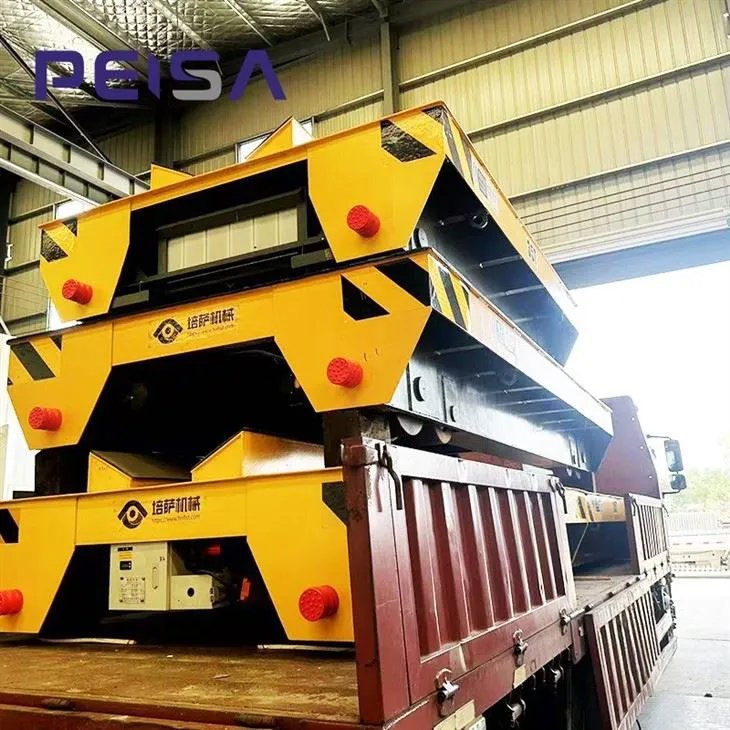
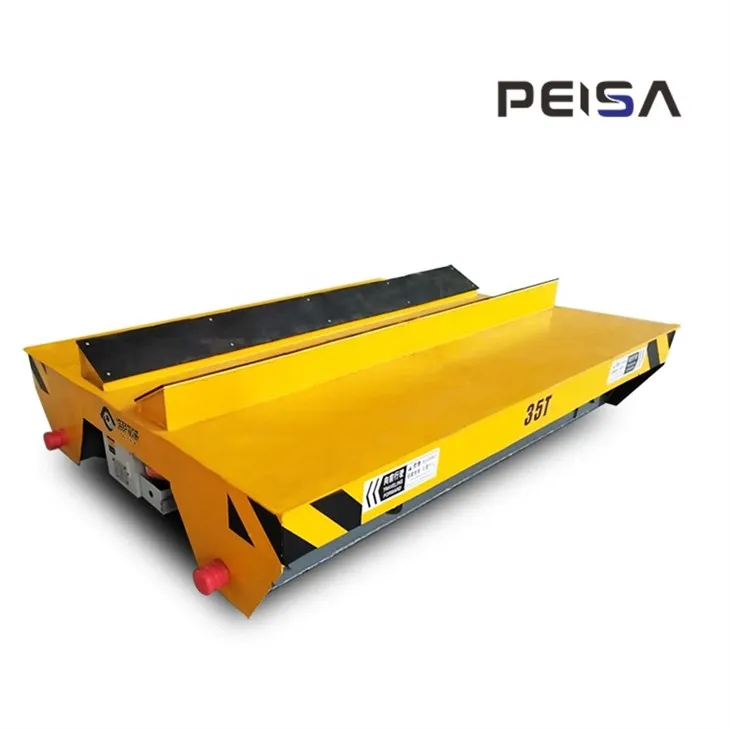
Another important aspect is the frame design. The frame of the Coil Transfer Trolley needs to be well - engineered to distribute the load evenly. A common design is a welded steel frame. Welding provides a strong and durable connection between the different parts of the frame. It ensures that the load is transferred from the coil to the wheels in a balanced way.
Let's talk about the wheels. The wheels are a critical part of the load - bearing system. They need to be able to support the weight of the trolley and the coil. We typically use large - diameter wheels made of high - quality materials. These wheels are designed to reduce the pressure on the ground and provide a smooth ride.
Different Types of Coil Transfer Trolleys and Their Load - Bearing Structures
There are several types of Coil Transfer Trolleys, and each has its own unique load - bearing structure design.
Battery Operated Transfer Car
The Battery Operated Transfer Car is a popular choice. It's powered by a battery, which gives it a lot of flexibility in terms of movement. The load - bearing structure of this type of trolley needs to be designed to accommodate the battery as well as the coil.
The battery is usually placed in a dedicated compartment on the trolley. The frame around this compartment needs to be strong enough to support the weight of the battery. At the same time, the overall frame of the trolley must be designed to distribute the combined weight of the battery and the coil evenly across the wheels.
Coil Motorized Transfer Cart
The Coil Motorized Transfer Cart is another option. It's driven by an electric motor, which provides a powerful and reliable source of propulsion.
The load - bearing structure of a Coil Motorized Transfer Cart has to be designed to handle the additional weight and stress from the motor. The motor is usually mounted on the frame, and the frame needs to be reinforced in this area to prevent any deformation. Also, the connection between the motor and the wheels needs to be strong to ensure efficient power transfer.
Rail Coil Transfer Cart
The Rail Coil Transfer Cart runs on rails, which provides a more stable and controlled movement. The load - bearing structure of a Rail Coil Transfer Cart is designed to work in conjunction with the rails.
The wheels of a Rail Coil Transfer Cart are specifically designed to fit the rails. The frame of the trolley needs to be aligned properly with the rails to ensure smooth movement. The load is transferred from the coil to the wheels and then to the rails. The structure has to be strong enough to handle the forces exerted by the rails, especially when the trolley is starting, stopping, or turning.
Safety Considerations in Load - Bearing Structure Design
Safety is always our top priority when it comes to designing the load - bearing structure of a Coil Transfer Trolley.
One of the safety features we incorporate is overload protection. We install sensors on the trolley that can detect when the load exceeds the recommended capacity. When this happens, the trolley will automatically stop or give a warning signal.
We also design the structure to have a certain level of redundancy. This means that even if one part of the structure fails, the trolley can still operate safely for a short period of time. For example, if a weld on the frame starts to crack, the other parts of the frame can still support the load to some extent.
Another important safety aspect is the stability of the trolley. The load - bearing structure is designed to keep the center of gravity of the trolley and the coil within a safe range. This prevents the trolley from tipping over, especially when it's moving on an uneven surface or making sharp turns.
Customization of Load - Bearing Structures
We understand that different customers have different requirements for their Coil Transfer Trolleys. That's why we offer customization services for the load - bearing structure design.
If a customer needs to move coils of a specific size or weight, we can design the structure accordingly. We can adjust the frame dimensions, the material thickness, and the wheel configuration to meet the exact needs of the customer.
We also take into account the working environment of the trolley. If the trolley will be used in a harsh environment, such as a high - temperature or corrosive area, we can use special materials and coatings to protect the load - bearing structure.
Conclusion
In conclusion, the load - bearing structure design of a Coil Transfer Trolley is a complex but crucial aspect of its overall performance. It involves careful consideration of materials, frame design, wheel selection, and safety features.
Whether you're looking for a Battery Operated Transfer Car, a Coil Motorized Transfer Cart, or a Rail Coil Transfer Cart, we have the expertise to design and manufacture a high - quality trolley that meets your needs.
If you're interested in purchasing a Coil Transfer Trolley or have any questions about our products, don't hesitate to get in touch with us. We're here to help you find the perfect solution for your coil - handling needs.
References
- Machinery Handbook, Industrial Press Inc.
- Handbook of Steel Construction, American Institute of Steel Construction