

Tire inflation pressures play a crucial role in the performance, safety, and longevity of industrial vehicles. As a leading supplier of industrial vehicles, we understand the significance of maintaining the correct tire pressures for different types of equipment. In this blog post, we will delve into the importance of tire inflation pressures, factors that influence them, and the recommended pressures for various industrial vehicles.
The Importance of Correct Tire Inflation
Proper tire inflation is essential for several reasons. Firstly, it ensures optimal traction and handling. When tires are inflated to the correct pressure, they make full contact with the road surface, providing better grip and stability. This is particularly important for industrial vehicles that often operate in challenging environments, such as warehouses, construction sites, and factories.
Secondly, correct tire inflation helps to improve fuel efficiency. Under - inflated tires increase rolling resistance, which means the vehicle has to work harder to move forward. This results in higher fuel consumption and increased operating costs. On the other hand, over - inflated tires can lead to a harsher ride and uneven tire wear, reducing the lifespan of the tires.
Lastly, maintaining the right tire pressure is a matter of safety. Under - inflated tires are more prone to overheating, which can cause tire blowouts. A tire blowout can be extremely dangerous, especially for large industrial vehicles, potentially leading to accidents and injuries.
Factors Influencing Tire Inflation Pressures
Several factors can influence the recommended tire inflation pressures for industrial vehicles. These include:
Vehicle Type
Different types of industrial vehicles have different weight distributions, load capacities, and operating conditions, which all affect tire pressure requirements. For example, a heavy - duty forklift carrying large loads will require higher tire pressures than a smaller electric pallet jack.
Load Weight
The amount of weight a vehicle is carrying directly impacts the pressure needed in the tires. As the load increases, the tires need to support more weight, and higher inflation pressures are required to prevent excessive deformation and wear.
Tire Size and Type
Tire size and type also play a role in determining the correct inflation pressure. Larger tires generally require higher pressures, and different tire designs, such as pneumatic, solid, or semi - pneumatic tires, have different pressure recommendations.
Operating Conditions
The environment in which the vehicle operates can affect tire pressure. For instance, vehicles operating on rough or uneven surfaces may require slightly higher pressures to prevent damage to the tires. Additionally, extreme temperatures can cause tire pressure to fluctuate. In cold weather, tire pressure tends to drop, while in hot weather, it can increase.
Recommended Tire Inflation Pressures for Common Industrial Vehicles
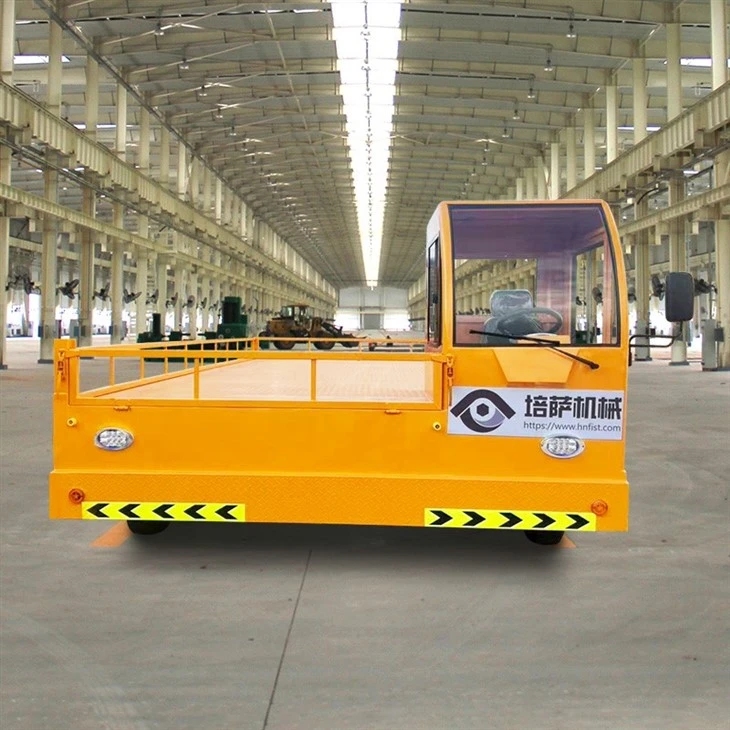
Electric Trolley Carrier
Electric Trolley Carrier are commonly used for transporting materials within a factory or warehouse. These vehicles typically have relatively small tires. The recommended tire inflation pressure for electric trolley carriers usually ranges from 20 to 30 psi (pounds per square inch). However, it is important to refer to the vehicle's manual for the exact pressure requirements, as this can vary depending on the specific model and load capacity.
Electric Platform Truck For Warehouse
Electric Platform Truck For Warehouse are designed to carry heavier loads over longer distances within a warehouse environment. The tires on these trucks are larger and need to support more weight. The recommended tire pressure for electric platform trucks is generally between 30 and 40 psi. Again, this can vary based on the vehicle's specifications and the load being carried.
Unpowered Industrial Trailer
Unpowered Industrial Trailer are often towed by other vehicles and are used to transport large and heavy items. The tire inflation pressures for unpowered industrial trailers depend on the size of the tires and the maximum load capacity of the trailer. Typically, pressures can range from 35 to 50 psi. It is crucial to check the trailer's documentation for the precise pressure recommendations.

How to Check and Maintain Tire Inflation
Regularly checking and maintaining tire inflation is a simple yet effective way to ensure the optimal performance and safety of industrial vehicles. Here are the steps to follow:
Use a Reliable Tire Pressure Gauge
Invest in a good quality tire pressure gauge. Digital gauges are often more accurate and easier to read than analog ones.
Check Tires When They Are Cold
Tire pressure increases as the tires heat up during operation. To get an accurate reading, check the tire pressure when the tires are cold, preferably before the vehicle is used in the morning.
Compare with Recommended Pressure
Refer to the vehicle's manual or the tire placard (usually located on the vehicle's door frame, glove box, or inside the fuel filler door) to find the recommended tire pressure. Compare the measured pressure with the recommended value and adjust as necessary.
Inflate or Deflate Tires
If the tire pressure is too low, use an air compressor to inflate the tires to the correct pressure. If the pressure is too high, carefully release some air until the desired pressure is reached.
Check Tires Regularly
Make it a habit to check the tire pressure at least once a week or more frequently if the vehicle is used intensively. Also, check the tires before and after long trips or when carrying heavy loads.
Conclusion
As an industrial vehicle supplier, we emphasize the importance of proper tire inflation for the performance, safety, and cost - effectiveness of your equipment. By understanding the factors that influence tire inflation pressures and following the recommended guidelines for different types of industrial vehicles, you can ensure that your vehicles operate at their best.
If you are in the market for high - quality industrial vehicles or need more information about tire inflation and maintenance, we are here to help. Our team of experts can provide you with detailed advice and support to meet your specific needs. Contact us today to start a discussion about your industrial vehicle requirements and take the first step towards optimizing your operations.
References
- Tire and Rim Association, Inc. Yearbook.
- Industrial Vehicle Manufacturers' Manuals.
- SAE International Standards on Tire Performance and Safety.