

Hey there! As an industrial vehicles supplier, I've seen firsthand how crucial it is to store industrial vehicle batteries properly. These powerhouses are the heart of our heavy - duty flatbed trailers, electric trolley carriers with steering wheels, and unpowered industrial trailers. So, let's dive into the storage conditions for these essential components.
Temperature Considerations
Temperature plays a huge role in battery storage. Most industrial vehicle batteries, especially lead - acid ones, prefer a cool and stable environment. High temperatures can speed up the self - discharge process. You see, when it's hot, the chemical reactions inside the battery go haywire, causing the battery to lose its charge much faster. Plus, excessive heat can damage the battery plates and the electrolyte, reducing the battery's overall lifespan.
On the other hand, extremely cold temperatures can also be a bummer. Cold slows down the chemical reactions in the battery, which means it loses its ability to deliver power efficiently. If you store your batteries in a freezing environment, you might find that they don't work at full capacity when you need them.
I'd recommend storing industrial vehicle batteries in a place where the temperature stays between 10°C and 25°C (50°F - 77°F). This range helps keep the battery's internal chemistry in check and minimizes self - discharge.
Humidity and Moisture
Humidity is another factor that can mess up your batteries. High humidity can lead to corrosion on the battery terminals. When moisture in the air combines with some of the chemicals on the terminals, it forms a crusty layer. This layer acts as an insulator, preventing a good electrical connection. And without a proper connection, the battery won't be able to charge or discharge efficiently.
To avoid this, keep your batteries in a dry place. A humidity level of around 30% - 50% is ideal. You can use dehumidifiers in storage areas if the natural humidity is too high. Also, make sure the storage area is well - ventilated. Good ventilation helps prevent the buildup of any harmful gases that the batteries might emit during the charging and discharging processes.
Charging State
The state of charge when you store the battery is super important. It's a bad idea to store a fully discharged battery. When a battery sits in a discharged state for a long time, sulfation can occur. Sulfation is when lead sulfate crystals build up on the battery plates. These crystals are hard to break down during the charging process and can permanently damage the battery.
Before storing your industrial vehicle batteries, it's best to charge them to about 80% - 100%. If possible, give them a top - up charge every few months during storage. This keeps the battery in good condition and ready to go when you need it.
Storage Location
Where you store your batteries matters, too. First off, choose a clean and dust - free location. Dust can get into the battery compartments and cause short circuits or other electrical problems.
Secondly, make sure the storage area is free from any chemicals or solvents that could corrode the battery. Some industrial environments have a lot of chemicals floating around, and these can be really bad news for your batteries.
If you're dealing with large - scale storage, consider using battery racks. Racks keep the batteries off the ground, which helps with airflow around the batteries and prevents any potential damage from water or debris on the floor.
Maintenance During Storage
Even when the batteries are in storage, a little maintenance goes a long way. Regularly inspect the batteries for any signs of physical damage, like cracks or leaks. If you notice any issues, it's best to take care of them right away.
Also, check the electrolyte levels in flooded lead - acid batteries. If the levels are low, add distilled water to bring them back up to the recommended level. But be careful not to overfill, as this can cause other problems.
Compatibility with Industrial Vehicles
Now, let's talk about how these storage conditions tie into our industrial vehicles, like the Heavy Duty Flatbed Trailer. These trailers often rely on large - capacity batteries to carry heavy loads. By storing the batteries correctly, you ensure that the trailers are always ready to perform at their best.
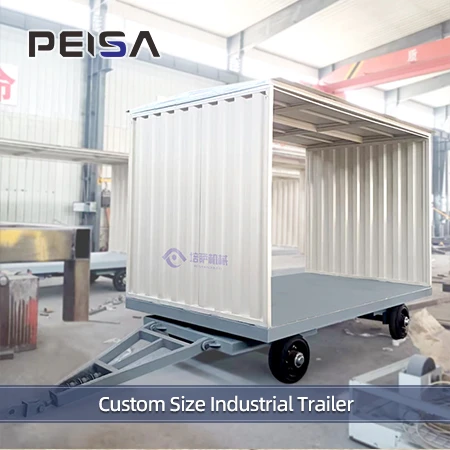

The same goes for the Electric Trolley Carrier with Steering Wheel. This type of carrier needs a reliable battery source to move smoothly and maneuver easily. Following the right storage conditions for the battery can prevent unexpected breakdowns and costly repairs.
And don't forget about the Unpowered Industrial Trailer. While it might not rely on a battery for propulsion, it could still have battery - powered accessories. Proper battery storage ensures that these accessories work when you need them.
Conclusion
In a nutshell, proper storage conditions for industrial vehicle batteries are key to their longevity and performance. By controlling temperature, humidity, and the state of charge, and by choosing the right storage location and performing regular maintenance, you can keep your batteries in great shape.
If you're in the market for industrial vehicles or need more advice on battery storage, don't hesitate to reach out. We're here to help you make the best choices for your business. Whether it's optimizing your battery storage or finding the perfect vehicle for your operations, we've got you covered. Contact us to start the procurement and negotiation process, and let's work together to get your industrial operations running smoothly.
References
- Battery Council International (BCI). Battery Storage Guidelines.
- Industrial Battery Manufacturers Association. Best Practices for Battery Storage.