

Hey there! As a supplier of Driven Transfer Carts, I've had my fair share of chats with customers about the ins and outs of using these nifty machines. One question that pops up a lot is about the environmental requirements for using a Driven Transfer Cart. So, I thought I'd put together this blog to share what I know.
First off, let's talk about temperature. Driven Transfer Carts are designed to work in a wide range of temperatures, but there are some limits. Most carts can operate in temperatures between -20°C and 40°C. If it gets too cold, the battery performance can take a hit. Cold temperatures slow down the chemical reactions in the battery, which means it won't hold a charge as well. On the flip side, if it's too hot, the battery can overheat, leading to reduced lifespan and potential safety issues. So, if you're using your cart in an area with extreme temperatures, you might need to take some extra precautions, like using a battery heater in cold weather or providing proper ventilation in hot conditions.
Humidity is another important factor. High humidity can cause corrosion on the cart's metal parts, especially if there are any exposed electrical components. This can lead to short circuits and other malfunctions. Ideally, the relative humidity should be kept between 30% and 80%. If you're operating in a humid environment, make sure the cart is properly sealed and that you regularly inspect it for signs of corrosion. You might also want to consider using a dehumidifier in the storage area.
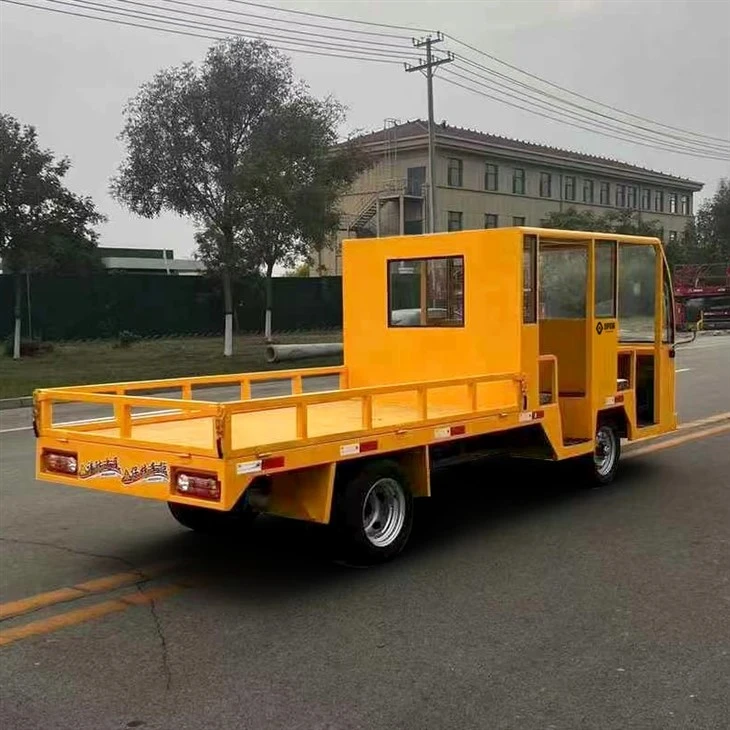
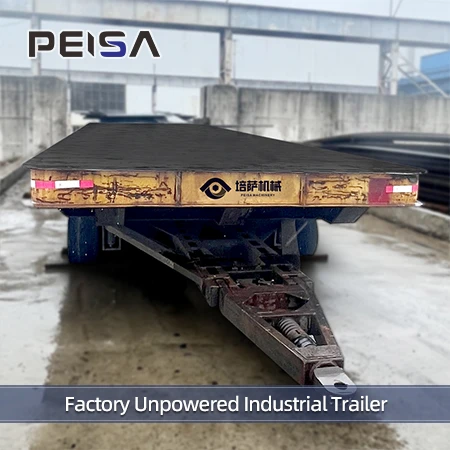
The type of surface the cart is used on matters too. Driven Transfer Carts work best on flat, smooth surfaces. Rough or uneven terrain can put extra stress on the wheels and the motor, leading to premature wear and tear. If you need to use the cart on a rough surface, you might want to look into models with larger, more durable wheels. Also, make sure the surface is clean. Debris like rocks, sand, or dirt can get stuck in the wheels or the moving parts, causing damage.
Dust and dirt can be a real pain for Driven Transfer Carts. They can clog the air filters, which are important for keeping the motor cool. A clogged filter can cause the motor to overheat, reducing its efficiency and lifespan. To prevent this, it's a good idea to regularly clean the air filters and keep the cart in a clean environment. If you're working in a dusty area, you might want to consider using a cart with a sealed motor or a dust cover.
Another thing to think about is the presence of chemicals or other hazardous substances. Some chemicals can corrode the cart's parts or damage the battery. If you're using the cart in an area where there are chemicals, make sure it's made from materials that are resistant to those chemicals. You might also need to take extra safety precautions, like wearing protective gear and following proper handling procedures.
Now, let's talk about some of the related products we offer. If you're looking for a different type of transfer solution, we have the Towed Transfer Cart. This is a great option if you need to move heavy loads over longer distances. It can be towed by a forklift or other vehicles, making it very versatile.
For those really heavy-duty jobs, we also have the Unpowered Heavy Duty Trailer. This trailer can handle extremely heavy loads and is a great addition to any industrial operation.
And if you're looking for a more compact and maneuverable option, our Electric Platform Truck is a great choice. It's perfect for moving smaller loads around a warehouse or factory.
If you're in the market for a Driven Transfer Cart or any of our other products, I'd love to hear from you. We can work together to find the best solution for your specific needs and make sure you're getting the most out of your equipment. Whether you're dealing with extreme temperatures, high humidity, or rough terrain, we have the expertise to help you choose the right cart and keep it running smoothly. So, don't hesitate to reach out and start the conversation about your transfer cart needs.
References
- General knowledge from years of experience in the Driven Transfer Cart industry.
- Manufacturer specifications and guidelines for Driven Transfer Carts.