

Hey there! I'm a supplier of automatic transfer carts, and I know how tough it can be for these carts to withstand corrosion, especially in a port environment. Ports are full of saltwater, humidity, and all sorts of harsh conditions that can really take a toll on the carts. But don't worry, I've got some tips and tricks to help you improve the corrosion resistance of your automatic transfer cart.
First off, let's talk about why corrosion is such a big deal in a port. Saltwater is extremely corrosive, and it can quickly eat away at the metal parts of your cart. Humidity also plays a role, as it can cause moisture to build up on the surface of the cart, leading to rust and other forms of corrosion. And let's not forget about the constant exposure to the elements, such as rain, wind, and sunlight, which can all contribute to the deterioration of the cart.
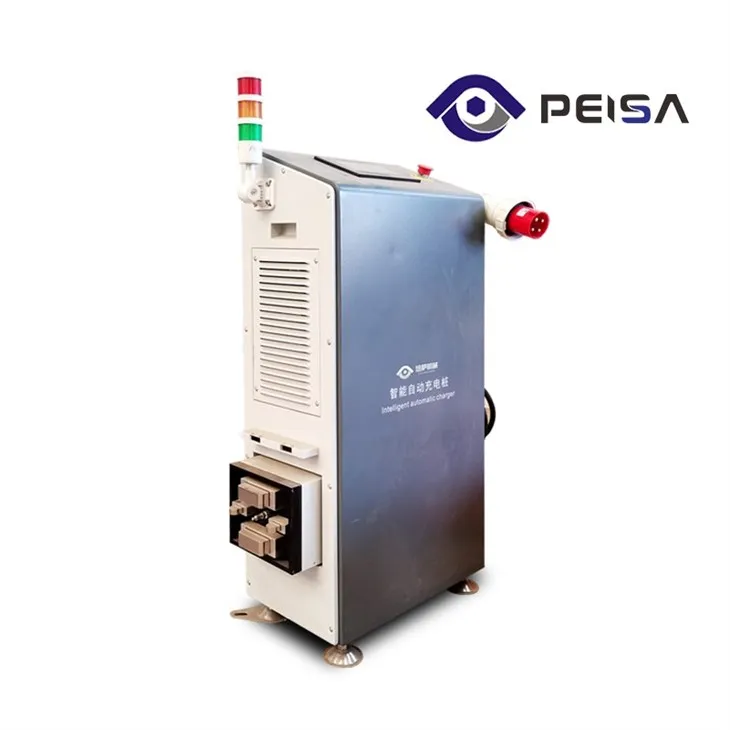
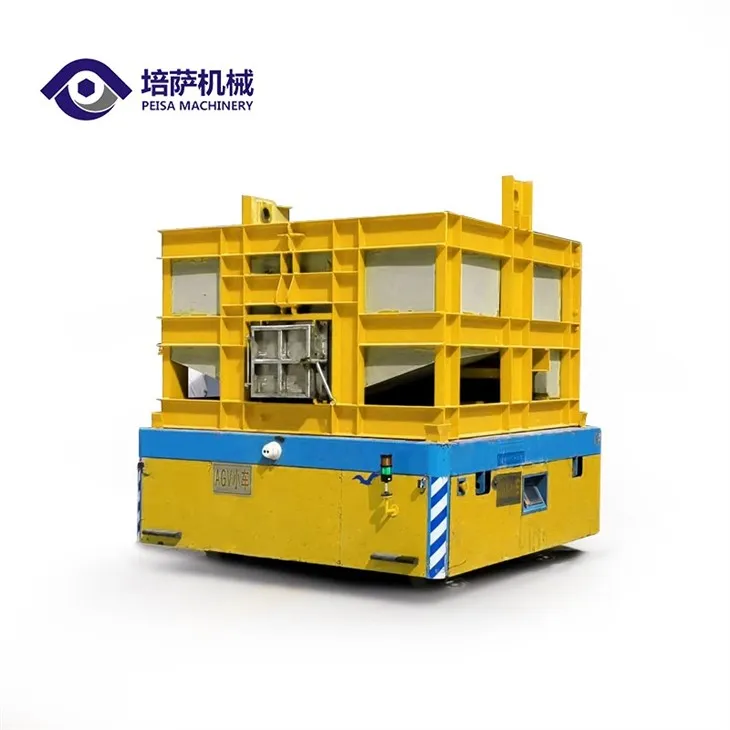
So, how can you protect your automatic transfer cart from corrosion? Well, the first step is to choose the right materials. When selecting a cart, look for one that is made from corrosion-resistant materials, such as stainless steel or aluminum. These materials are naturally resistant to rust and corrosion, and they can help to extend the lifespan of your cart.
Another important factor to consider is the coating of the cart. A good coating can provide an extra layer of protection against corrosion. There are several types of coatings available, including powder coatings, epoxy coatings, and zinc coatings. Each type of coating has its own advantages and disadvantages, so it's important to choose the one that is best suited for your specific needs.
In addition to choosing the right materials and coatings, it's also important to maintain your cart properly. Regular cleaning and maintenance can help to prevent the buildup of dirt, salt, and other contaminants on the surface of the cart. Make sure to clean the cart after each use, and use a mild detergent and water to remove any dirt or debris. You should also inspect the cart regularly for any signs of corrosion or damage, and make any necessary repairs as soon as possible.
Now, let's talk about some specific steps you can take to improve the corrosion resistance of your automatic transfer cart in a port.
1. Use a Rust Inhibitor
A rust inhibitor is a chemical compound that can help to prevent the formation of rust on metal surfaces. There are several types of rust inhibitors available, including spray-on inhibitors, dip-in inhibitors, and paint-on inhibitors. You can apply a rust inhibitor to the surface of your cart to provide an extra layer of protection against corrosion.
2. Install a Drainage System
In a port environment, water can easily accumulate on the surface of the cart, leading to rust and corrosion. To prevent this, you can install a drainage system on the cart. A drainage system can help to remove any water that accumulates on the surface of the cart, keeping it dry and preventing the formation of rust.
3. Use a Protective Cover
A protective cover can provide an extra layer of protection against the elements. You can use a cover to protect the cart when it's not in use, or when it's being transported. A cover can help to prevent the cart from being exposed to rain, wind, and sunlight, which can all contribute to the deterioration of the cart.
4. Choose the Right Wheels
The wheels of your automatic transfer cart are also important when it comes to corrosion resistance. Make sure to choose wheels that are made from corrosion-resistant materials, such as stainless steel or aluminum. You should also avoid using wheels that are made from materials that are prone to rust and corrosion, such as iron or steel.
5. Consider Using a Corrosion Monitoring System
A corrosion monitoring system can help you to detect any signs of corrosion early on. There are several types of corrosion monitoring systems available, including electrochemical sensors, ultrasonic sensors, and visual inspection systems. By using a corrosion monitoring system, you can take proactive steps to prevent the corrosion from spreading and causing further damage to the cart.
In conclusion, improving the corrosion resistance of an automatic transfer cart in a port is essential for ensuring its long-term performance and reliability. By choosing the right materials, coatings, and maintenance practices, you can help to extend the lifespan of your cart and protect it from the harsh conditions of a port environment.
If you're in the market for an automatic transfer cart, I invite you to check out our selection of Agv Material Transfer Cart, Production Line Transfer Cart, and Rail Guided Vehicle. We offer a wide range of carts to suit your specific needs, and we're committed to providing our customers with the highest quality products and services.
If you have any questions or would like to learn more about our automatic transfer carts, please don't hesitate to contact us. We'd be happy to help you find the right cart for your needs and answer any questions you may have.
References
- "Corrosion Prevention and Control in Marine Environments" by the National Association of Corrosion Engineers (NACE)
- "Materials Selection for Corrosion Resistance" by the American Society for Testing and Materials (ASTM)
- "Maintenance and Repair of Automatic Transfer Carts" by the Material Handling Industry of America (MHIA)