

Hey there! As a supplier of Ladle Transfer Trolleys, I've seen firsthand how important it is to keep these workhorses in top - notch condition. A clean ladle transfer trolley not only looks good but also operates more efficiently and has a longer lifespan. So, let's dive into how you can clean a ladle transfer trolley.
1. Preparation
Before you start cleaning, it's crucial to gather all the necessary tools and materials. You'll need some basic stuff like a wire brush, a pressure washer (if available), a bucket of soapy water, some clean rags, and safety gear such as gloves and goggles. Safety first, folks! Make sure the trolley is turned off and disconnected from any power sources to avoid any electrical hazards.
2. Remove Loose Debris
The first step is to get rid of any loose debris on the trolley. Use the wire brush to scrape off large chunks of dirt, slag, or other residues. Pay special attention to the areas around the wheels, axles, and the ladle support structure. You can also use a broom to sweep away the loose particles. This initial cleaning makes the subsequent steps easier and more effective.
3. Clean the Exterior
Now, it's time to focus on the exterior of the trolley. Fill the bucket with soapy water using a mild detergent. Dip a clean rag into the soapy water and start wiping down the surfaces of the trolley. This includes the frame, the control panel (be extra careful here), and any exposed metal parts. If there are stubborn stains, you can use a little more pressure or even a bit of vinegar on the rag. For a more thorough clean, a pressure washer can be a great tool. Just make sure to adjust the pressure to an appropriate level so you don't damage any components.
4. Clean the Wheels and Axles
The wheels and axles of the ladle transfer trolley take a lot of wear and tear. They can accumulate dirt, grease, and other contaminants. Use the wire brush to clean the wheels, getting into all the nooks and crannies. Then, use a degreaser to remove the stubborn grease. Apply the degreaser to the wheels and axles, let it sit for a few minutes according to the product instructions, and then scrub it off with the wire brush. Rinse with clean water to get rid of any remaining degreaser.
5. Clean the Ladle Area
The area where the ladle sits on the trolley is another critical part to clean. There can be spills, drips, and solidified metal residues. Use a chisel or a scraper to remove the solidified materials carefully. Then, clean the area with soapy water and a rag. Make sure to check for any signs of damage or wear in this area, as it directly affects the stability and safety of the ladle during transfer.
6. Inspect and Lubricate
After cleaning, it's a good time to inspect the trolley for any signs of damage, such as cracks, loose bolts, or worn - out parts. Tighten any loose bolts and replace any damaged components if necessary. Also, lubricate the moving parts, like the wheels' bearings and any pivot points. Use a high - quality lubricant suitable for the trolley's operating conditions. This helps reduce friction and ensures smooth operation.
7. Dry the Trolley
Once you've completed the cleaning process, dry the trolley thoroughly. You can use clean rags to wipe off the excess water, or if the weather permits, let it air - dry in a well - ventilated area. Moisture can lead to rust and corrosion, so it's important to get the trolley as dry as possible.
Types of Ladle Transfer Trolleys and Their Cleaning Considerations
We offer different types of ladle transfer trolleys, each with its own unique features and cleaning requirements.

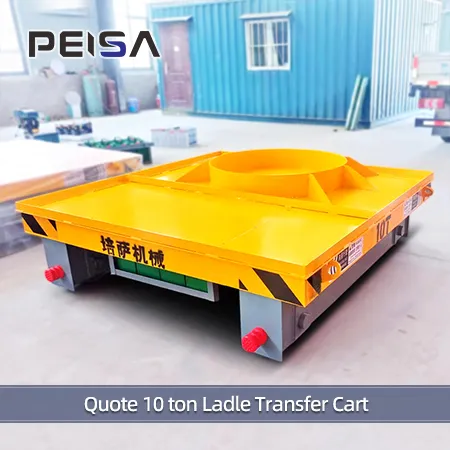
- Hot Metal Ladle Transfer Cart: These carts are designed to handle extremely hot metal ladles. They are often exposed to high temperatures and harsh environments. When cleaning a Hot Metal Ladle Transfer Cart, you need to be extra careful around the heat - resistant components. Make sure not to use any cleaning agents that could damage the heat - insulation materials.
- Steel Plant Ladle Transfer Cart: In a steel plant, these carts are used in a high - volume, high - intensity environment. They are likely to be covered in steel dust, slag, and other industrial residues. The cleaning process for a Steel Plant Ladle Transfer Cart may require more heavy - duty cleaning tools and stronger degreasers.
- Factory Ladle Transfer Cart: Factory ladle transfer carts are used in a variety of manufacturing settings. They may not be exposed to the same extreme conditions as the previous two types but still need regular cleaning. For a Factory Ladle Transfer Cart, a standard cleaning routine with milder cleaning agents is usually sufficient.
Conclusion
Cleaning a ladle transfer trolley is not just about making it look good. It's about ensuring its proper functioning, safety, and longevity. By following these steps and considering the specific requirements of different types of trolleys, you can keep your ladle transfer trolley in excellent condition.
If you're in the market for a new ladle transfer trolley or have any questions about maintenance and cleaning, feel free to reach out to us. We're here to help you make the right choice and keep your operations running smoothly.
References
- General industrial maintenance guides for heavy - duty equipment
- Manufacturer's manuals for ladle transfer trolleys