

Hey there! As a supplier of automatic transfer carts, I often get asked about how these nifty machines change directions. It's a fascinating topic, and I'm excited to share some insights with you.
First off, let's talk about what an automatic transfer cart is. These carts are used in a variety of industries to move heavy loads from one place to another. They can be found in factories, warehouses, and even some large-scale production facilities. The cool thing about them is that they can operate automatically, following a pre-programmed path. But how do they change directions when needed?
There are a few different methods that automatic transfer carts use to change directions, and I'll break them down for you.
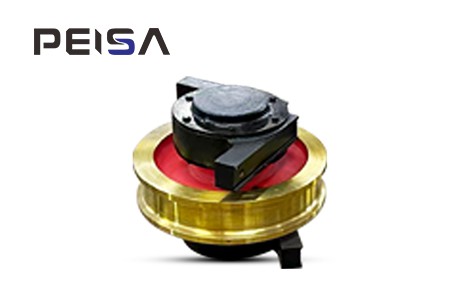

Electric Steering Systems
One of the most common ways for an automatic transfer cart to change directions is through an electric steering system. This system typically consists of a motor, a steering mechanism, and a control unit. The motor is responsible for powering the steering mechanism, which can be either a rack - and - pinion setup or a hydraulic cylinder.
The control unit is like the brain of the operation. It receives signals from sensors on the cart or from an external control system. For example, if there's a sensor that detects an obstacle in the cart's path, the control unit can send a signal to the motor to turn the wheels and change the cart's direction.
These electric steering systems are pretty precise. They can make small adjustments to the direction of the cart, which is great for navigating tight spaces in a factory. And because they're electric, they're relatively easy to maintain compared to some other systems.
Rail - Guided Direction Changes
Some automatic transfer carts operate on rails. These Rail Guided Vehicle are often used in situations where the path of the cart is well - defined and repetitive. Changing directions on a rail - guided system is a bit different.
There are switches on the rails that can be controlled to direct the cart onto different tracks. These switches can be operated manually or automatically. In an automated setup, the control system of the cart communicates with the switch mechanism. When it's time for the cart to change directions, the control system sends a signal to the switch to move into the correct position.
For example, in a large - scale production facility where different parts need to be transported to various assembly stations, the rail - guided transfer carts can follow a complex network of tracks. The switches allow the carts to move from one track to another, ensuring that the parts are delivered to the right place at the right time.
Omni - Wheel Technology
Another interesting way for automatic transfer carts to change directions is through omni - wheel technology. Omni - wheels are special wheels that can move in multiple directions. They have small rollers around the circumference of the wheel, which allows the wheel to move not only forward and backward but also sideways and diagonally.
With omni - wheel technology, the cart can change directions almost instantaneously. The control system of the cart can independently control the speed and direction of each omni - wheel. So, if the cart needs to move to the left, the control system can adjust the rotation of the wheels accordingly.
This technology is really useful in applications where the cart needs to have a high degree of maneuverability. For example, in a small - scale laboratory where delicate equipment needs to be moved around, an automatic transfer cart with omni - wheels can easily navigate around workbenches and other obstacles.
Sensor - Based Direction Adjustments
Modern automatic transfer carts are equipped with a variety of sensors, such as laser sensors, ultrasonic sensors, and vision sensors. These sensors play a crucial role in changing directions.
Laser sensors can measure the distance between the cart and objects in its environment. If the sensor detects that the cart is getting too close to a wall or another piece of equipment, it sends a signal to the control system. The control system then decides how to change the direction of the cart to avoid a collision.
Ultrasonic sensors work in a similar way. They emit ultrasonic waves and measure the time it takes for the waves to bounce back. This information helps the cart determine the position of objects around it.
Vision sensors, on the other hand, can provide a more detailed view of the environment. They can recognize patterns, shapes, and colors. For example, if there's a specific colored marker on the floor that indicates a change in direction, the vision sensor can detect it and send a signal to the cart to turn.
Application - Specific Direction Changes
The way an automatic transfer cart changes directions can also depend on its specific application. For instance, Production Line Transfer Cart are designed to move products along a production line. They often need to make precise stops and turns at different workstations.
In a production line setup, the cart's control system is programmed to follow a specific sequence of movements. When it reaches a certain point on the line, it will automatically change directions to move to the next workstation. This ensures a smooth and efficient flow of production.
On the other hand, Automatic Load Transfer Cart are used to move heavy loads from one storage area to another. These carts may need to cover larger distances and may have more flexibility in terms of the paths they can take. Their direction - changing mechanisms are designed to handle different types of terrain and obstacles in a warehouse environment.
Conclusion
As you can see, there are several ways that automatic transfer carts can change directions. Whether it's through electric steering systems, rail - guided switches, omni - wheel technology, or sensor - based adjustments, each method has its own advantages and is suited to different applications.
If you're in the market for an automatic transfer cart, it's important to consider your specific needs. Think about the environment in which the cart will operate, the type of loads it will carry, and the degree of maneuverability required.
We're here to help you find the perfect automatic transfer cart for your business. Whether you have questions about direction - changing mechanisms or need advice on which type of cart is best for your application, don't hesitate to reach out. Let's start a conversation and see how we can improve your material handling processes.
References
- Industry standards for automatic transfer carts
- Technical manuals of various automatic transfer cart models
- Research papers on material handling automation