

Can a Ferry Transfer Cart be used for transporting food products?
In the dynamic landscape of industrial logistics, the demand for efficient and versatile transportation solutions is ever - increasing. As a supplier of Ferry Transfer Carts, I am often confronted with a crucial question from potential clients: Can a Ferry Transfer Cart be used for transporting food products? In this blog post, I aim to delve into this question with a scientific and reasonable approach, shedding light on the viability, considerations, and applications of using Ferry Transfer Carts in the food industry.
Understanding Ferry Transfer Carts
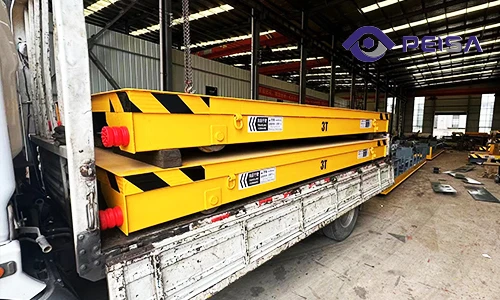
Ferry Transfer Carts are an essential part of industrial material handling. They are designed to move heavy loads across different areas within a facility, often along a fixed path. These carts come in various types, including those powered by electricity, batteries, or rails. They are known for their high load - bearing capacity, stability during movement, and the ability to be customized to meet specific operational requirements.
For instance, our Railroad Transfer Cart is a reliable choice for operations that require long - distance transportation along a rail track. It offers smooth movement and can handle large and heavy loads, making it suitable for diverse industries. Similarly, the Transfer Cart For For Handling Steel Plate is engineered to transport steel plates safely and efficiently. And our Electric Flat Transfer Cart provides a flexible and environmentally friendly solution for moving loads within a confined space.

Feasibility of Using Ferry Transfer Carts for Food Transport
The primary consideration when determining whether a Ferry Transfer Cart can be used for transporting food products is hygiene and safety. Unlike other industrial products, food is highly sensitive to contamination, so strict standards must be met.
- Hygiene Requirements: Most food products are required to be transported in a clean and contamination - free environment. Ferry Transfer Carts can meet these requirements if they are properly designed and maintained. For example, the cart's surface can be made of food - grade materials, such as stainless steel, which is easy to clean and disinfect. Regular cleaning and maintenance procedures can ensure that the cart remains hygienic during food transportation.
- Safety in Handling: Food products need to be handled with care to prevent damage and ensure quality. Ferry Transfer Carts typically have a stable structure and smooth movement, which can reduce the risk of product damage during transit. Additionally, safety features such as anti - collision devices and speed control can be installed to further protect the food products.
Advantages of Using Ferry Transfer Carts for Food Transport
- Efficiency: Ferry Transfer Carts can significantly improve the efficiency of food transportation within a facility. They can move large quantities of food products at once, reducing the number of trips and saving time. Moreover, they can be integrated with an automated control system, which allows for seamless and continuous operation.
- Customization: These carts can be customized to fit the specific requirements of food transportation. For example, special compartments can be added to separate different types of food products, or the cart can be equipped with temperature - controlled features for transporting perishable items such as dairy products and fresh produce.
- Cost - effectiveness: In the long run, using Ferry Transfer Carts for food transportation can be cost - effective. They have a lower operating cost compared to some other transportation methods, such as forklifts. Additionally, their durability means less frequent replacement, reducing overall investment costs.
Considerations for Using Ferry Transfer Carts in the Food Industry
- Regulatory Compliance: The food industry is highly regulated, and any equipment used for food transportation must comply with relevant regulations. This includes food safety standards, environmental regulations, and labor safety requirements. As a supplier, we ensure that our Ferry Transfer Carts meet all the necessary regulatory standards and can provide the necessary documentation to support our clients' compliance efforts.
- Cleaning and Maintenance: Regular cleaning and maintenance are essential to keep the Ferry Transfer Carts hygienic and in good working condition. A detailed cleaning and maintenance plan should be established, including frequency of cleaning, use of appropriate cleaning agents, and inspection procedures.
- Compatibility with Food Packaging: The cart's design should be compatible with the food packaging used. Different food products come in various packaging forms, such as boxes, pallets, or containers. The cart should be able to handle these different packaging types safely and efficiently.
Case Studies
Let's take a look at a few real - world examples of how Ferry Transfer Carts have been successfully used for food transportation.
- A Bakery: A large - scale bakery was looking for a more efficient way to transport freshly baked bread and pastries from the production area to the packaging and storage areas. They installed our Electric Flat Transfer Cart, which was customized with special racks to hold the baked goods safely. The cart's smooth movement and adjustable speed helped prevent damage to the delicate products, and the food - grade stainless - steel surface was easy to clean, ensuring compliance with hygiene standards.
- A Dairy Farm: A dairy farm needed to transport milk containers from the milking parlor to the processing facility. Our Railroad Transfer Cart was the ideal solution. It was able to handle the heavy milk containers and move them over a relatively long distance quickly and safely. The cart was also equipped with a temperature - control system to keep the milk at the appropriate temperature during transit.
Conclusion
In conclusion, a Ferry Transfer Cart can indeed be used for transporting food products, provided that proper design, hygiene, and safety measures are in place. With their efficiency, customization options, and cost - effectiveness, these carts offer a compelling solution for the food industry.
If you are considering using Ferry Transfer Carts for your food transportation needs, I encourage you to reach out to us. Our team of experts can provide you with detailed information, customized solutions, and support to ensure that you get the most suitable product for your operations. Contact us today to start the procurement and negotiation process, and let us help you optimize your food transportation logistics.
References
- "Industrial Material Handling Handbook," John Wiley & Sons
- "Food Safety Regulations in the Transportation Sector," Food and Agriculture Organization