

Can a Die Transfer Cart be used in a magnetic - field environment?
In the dynamic landscape of industrial material handling, die transfer carts have emerged as indispensable tools for transporting heavy and bulky items across various workplaces. As an experienced die transfer cart supplier, we often encounter questions from clients regarding the suitability of these carts in specific environments, among which the magnetic - field environment is a particularly common concern.
Understanding Die Transfer Carts
Before delving into the issue of using die transfer carts in magnetic - field environments, it is essential to understand what die transfer carts are and their basic operating principles. Die transfer carts, also known as mold transfer carts, are designed to carry heavy loads such as dies, molds, and other large - scale workpieces. They can be powered by different methods, including battery - powered systems, cable - reel powered systems, and low - voltage rail - powered systems.
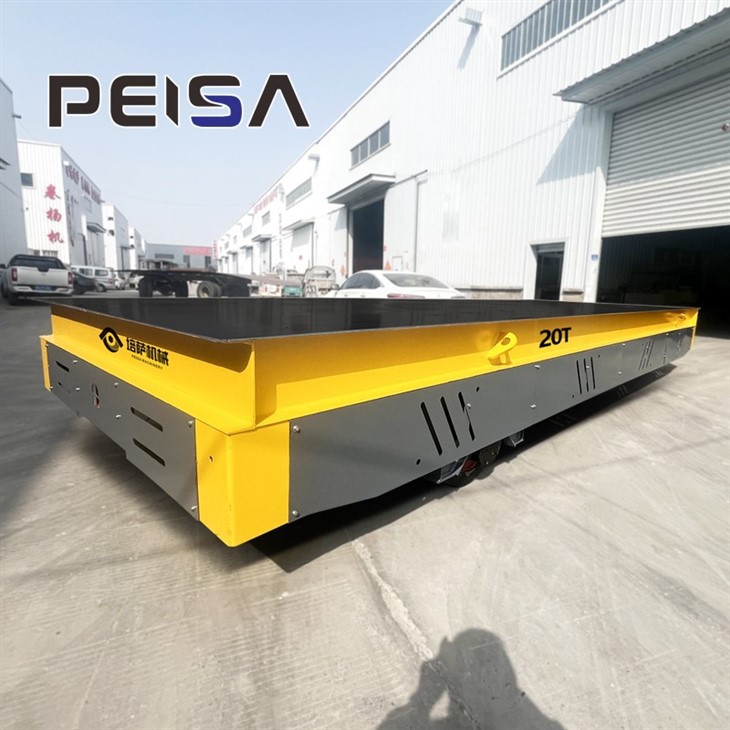
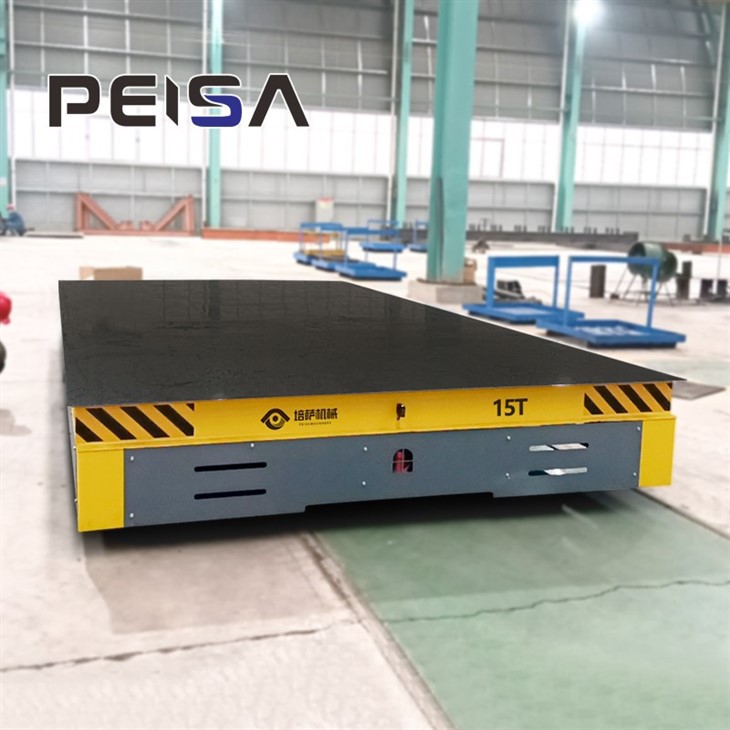
There are different types of die transfer carts available to meet diverse industrial needs. For instance, the Heavy Load Transfer Trolley is engineered to handle extremely heavy loads with ease. It is equipped with robust frames and high - capacity wheels to ensure stability and durability during the transportation process. On the other hand, the Industrial Transfer Carts offer a more general - purpose solution suitable for a wide range of industrial applications. And the Rail Mold Transfer Cart operates on rails, providing precise and controlled movement, which is ideal for applications where accuracy is crucial.
Impact of Magnetic Fields on Die Transfer Carts
Magnetic fields can potentially have several impacts on die transfer carts, depending on their strength, frequency, and the components of the cart.
Effects on Electrical Components
Most die transfer carts rely on electrical systems for power supply and control. Magnetic fields can induce electrical currents in conductive materials, which may lead to interference with the normal operation of these electrical components. For example, the electronic control panels on the cart, which are responsible for functions such as speed regulation, steering control, and braking, can be affected by electromagnetic interference (EMI). EMI can cause malfunctions in the control circuits, leading to erratic behavior of the cart, such as unexpected stops, inaccurate speed adjustments, or improper steering.
Moreover, the batteries used in battery - powered die transfer carts can also be influenced by magnetic fields. Strong magnetic fields may cause changes in the chemical reactions within the battery, affecting its charging and discharging performance. This can lead to reduced battery life, decreased power output, and ultimately, limited operational range of the cart.
Effects on Mechanical Components
Although mechanical components are generally less susceptible to magnetic fields than electrical components, there are still potential issues. For instance, the sensors used to detect the position, speed, or weight of the load on the cart can be affected. Magnetic fields can interfere with the signals from these sensors, leading to inaccurate readings. This may result in false alarms, improper handling of the load, or even safety hazards.
In addition, the magnetic fields can attract ferromagnetic materials such as iron and steel particles. If these particles accumulate on the cart's mechanical parts, such as the wheels, bearings, or gears, it can cause increased friction and wear. Over time, this can lead to mechanical failures and increased maintenance requirements.
When Die Transfer Carts Can Be Used in Magnetic - Field Environments
While the impact of magnetic fields on die transfer carts is a significant concern, there are situations where these carts can still be used effectively in magnetic - field environments with proper precautions.
Low - Intensity Magnetic Fields
In environments with relatively low - intensity magnetic fields, die transfer carts can usually operate without significant problems. For example, in some light - industrial settings where there are only weak magnetic fields generated by small electrical devices, the carts can still function as normal. However, it is still recommended to conduct regular inspections of the cart's components to detect any potential signs of interference.
Shielded Carts
We, as a die transfer cart supplier, offer options for shielded carts. Shielded die transfer carts are designed with special materials and structures to reduce the impact of magnetic fields on the cart's internal components. For example, the electronic control panels can be enclosed in a shielded casing made of conductive materials, which can deflect the magnetic fields and prevent them from reaching the sensitive electronic circuits. By using shielded carts, it is possible to use die transfer carts in moderate - intensity magnetic - field environments.
When Die Transfer Carts Should Not Be Used in Magnetic - Field Environments
In high - intensity magnetic - field environments, the use of die transfer carts is generally not recommended. For example, in some large - scale metal - processing plants where powerful electromagnets are used for lifting and moving heavy metal objects, the magnetic fields can be extremely strong. These strong magnetic fields can cause severe interference with the cart's electrical and mechanical components, leading to frequent malfunctions and potential safety risks.
Precautions for Using Die Transfer Carts in Magnetic - Field Environments
If you decide to use die transfer carts in a magnetic - field environment, the following precautions should be taken:
Conduct a Magnetic Field Assessment
Before using the cart, it is necessary to conduct a comprehensive assessment of the magnetic - field environment. This includes measuring the strength, frequency, and distribution of the magnetic fields. Based on the assessment results, appropriate measures can be taken to ensure the safe and reliable operation of the cart.
Regular Maintenance and Inspection
Regular maintenance and inspection of the cart are crucial. Check the electrical components for any signs of EMI, such as abnormal voltages or currents. Inspect the mechanical components for the accumulation of ferromagnetic particles. Replace any worn - out or damaged parts in a timely manner.
Training for Operators
Operators should receive proper training on the potential impacts of magnetic fields on the die transfer cart and the correct operating procedures. They should be able to recognize the signs of interference and take appropriate actions in case of emergencies.
Conclusion
In conclusion, the use of die transfer carts in a magnetic - field environment is a complex issue that requires careful consideration. While magnetic fields can have various impacts on the cart's electrical and mechanical components, there are situations where the carts can be used with proper precautions, such as low - intensity magnetic fields or the use of shielded carts. However, in high - intensity magnetic - field environments, the use of die transfer carts is generally not advisable.
As a professional die transfer cart supplier, we are committed to providing our clients with high - quality products and comprehensive technical support. If you are considering using die transfer carts in a magnetic - field environment or have any other questions about our products, please feel free to contact us for further discussion and procurement negotiation. We are here to help you find the most suitable solution for your industrial material - handling needs.
References
- "Industrial Electrical Equipment and Electromagnetic Interference" - A technical handbook on the impact of magnetic fields on electrical equipment.
- "Mechanical Design and Maintenance in Industrial Environments" - A reference book on the maintenance and design of mechanical components in industrial settings.