

As a reputable supplier of coil transfer carts, I understand the critical role that the air - pressure system plays in the smooth and efficient operation of pneumatic - powered coil transfer carts. In this blog post, I will share comprehensive insights on how to check the air - pressure system of a pneumatic - powered coil transfer cart.
Understanding the Importance of the Air - Pressure System
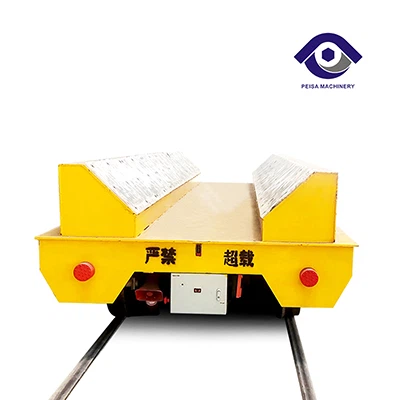
The air - pressure system in a pneumatic - powered coil transfer cart is responsible for providing the necessary force to move the cart, lift and lower the coils, and perform other essential functions. A well - maintained air - pressure system ensures reliable operation, reduces the risk of breakdowns, and extends the lifespan of the cart.

Pre - Check Preparations
Before starting the actual inspection of the air - pressure system, it is crucial to take some preparatory steps. First, make sure that the cart is powered off and disconnected from any power sources to prevent accidental activation. Then, gather the necessary tools such as a pressure gauge, leak detector, and wrenches.
External Inspection
- Visual Inspection: Begin by visually examining the external components of the air - pressure system. Check for any signs of damage, such as cracks, dents, or loose connections in the air hoses, fittings, and valves. Inspect the air compressor for any visible leaks or unusual wear and tear. If you notice any compromised hoses or fittings, they should be replaced immediately. For example, a cracked hose can lead to a significant loss of air pressure, affecting the performance of the cart.
- Connection Check: Ensure that all the air connections are tight. Loose connections can cause air leakage, which not only reduces the efficiency of the system but also increases the energy consumption of the cart. Use a wrench to carefully tighten any loose fittings, but be cautious not to over - tighten as it can damage the threads.
Pressure Gauge Check
- Installation: Locate the pressure gauge on the air - pressure system. The pressure gauge is a vital component as it provides real - time information about the air pressure in the system. If the pressure gauge is not installed correctly or is damaged, it can give inaccurate readings. Make sure the pressure gauge is securely attached and there are no signs of damage to its face or needle.
- Reading Evaluation: Start the air compressor and allow the system to build up pressure. Observe the pressure gauge reading. The normal operating pressure for a pneumatic - powered coil transfer cart typically ranges between 80 - 120 psi (pounds per square inch). However, this can vary depending on the specific model and requirements of the cart. If the pressure reading is too low, it could indicate a leak in the system, a malfunctioning compressor, or a blocked air filter. On the other hand, if the pressure is too high, it can put excessive stress on the components and pose a safety hazard.
Air Compressor Check
- Functionality: The air compressor is the heart of the air - pressure system. Check if the compressor is starting and stopping properly. Listen for any unusual noises, such as grinding or rattling sounds, which could indicate a mechanical problem. If the compressor fails to start, check the power supply, fuses, and the control circuit.
- Oil Level (if applicable): Some air compressors are oil - lubricated. Check the oil level in the compressor according to the manufacturer's instructions. Low oil level can cause excessive wear on the compressor components and lead to premature failure. If the oil is dirty or contaminated, it should be changed.
Leak Detection
- Soap Solution Method: One of the simplest ways to detect air leaks is by using a soap solution. Mix a small amount of liquid soap with water and apply it to the air hoses, fittings, valves, and other potential leak points. If there is a leak, the soap solution will form bubbles at the leak site. This method is effective for detecting small leaks that may not be visible to the naked eye.
- Electronic Leak Detector: For more accurate and sensitive leak detection, an electronic leak detector can be used. These detectors can detect even the smallest air leaks and are especially useful for hard - to - reach areas.
Valve Inspection
- Check for Proper Function: The valves in the air - pressure system control the flow of air and the operation of various components. Check each valve to ensure that it is opening and closing properly. You can do this by manually operating the valves (if possible) or by observing the system's behavior when the valves are supposed to be in different states.
- Cleaning and Lubrication: Over time, valves can accumulate dirt and debris, which can affect their performance. Clean the valves regularly using a suitable cleaning agent and lubricate them with a recommended lubricant to ensure smooth operation.
Air Filter Check
- Inspection: The air filter in the air - pressure system is responsible for removing dirt, dust, and other contaminants from the incoming air. A clogged air filter can restrict the airflow, reduce the efficiency of the compressor, and cause the system to overheat. Inspect the air filter regularly and replace it if it is dirty or damaged.
- Replacement Interval: The replacement interval for the air filter depends on the operating environment of the cart. In a dusty environment, the filter may need to be replaced more frequently than in a clean environment.
System Testing
- Functional Test: After completing all the above checks and repairs, perform a functional test of the air - pressure system. Start the cart and operate all the pneumatic functions, such as moving the cart, lifting and lowering the coils. Observe the performance of the system and make sure that all functions are working smoothly.
- Pressure Stability: Monitor the pressure gauge during the functional test to ensure that the air pressure remains stable. Any significant fluctuations in pressure could indicate an underlying problem in the system.
Conclusion
Regularly checking the air - pressure system of a pneumatic - powered coil transfer cart is essential for its reliable and efficient operation. By following the steps outlined in this blog post, you can identify and address potential issues before they cause major breakdowns. As a coil transfer cart supplier, we offer a wide range of high - quality products, including Coil Rail Transfer Cart, Steel Coil Transfer Trolley, and Battery Coil Transfer Cart. If you have any questions about the air - pressure system or are interested in purchasing a coil transfer cart, please feel free to contact us for a detailed discussion and procurement negotiation.
References
- Pneumatic System Handbook, various industry - standard publications
- Manufacturer's manuals for coil transfer carts and air - pressure system components