

Can a Die Transfer Cart be used for long - distance transportation?
As a supplier of die transfer carts, this question is one that I'm frequently asked by our potential and existing customers. It's a valid concern, as the intended use - long - distance transportation - differs significantly from the typical short - distance and factory - floor applications that these carts are often associated with. In this blog post, I'll explore the capabilities and limitations of die transfer carts when it comes to long - distance transportation.
Understanding Die Transfer Carts
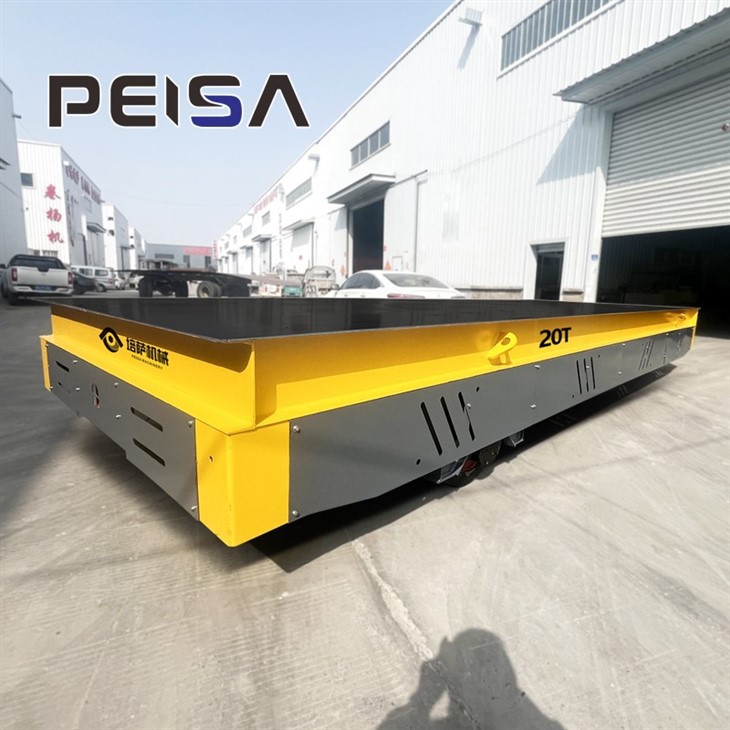
Before we delve into the long - distance transportation aspect, let's first understand what a die transfer cart is. Die transfer carts are specialized vehicles designed to move heavy dies, molds, and other large and bulky materials within industrial settings. They are commonly used in manufacturing plants, such as automotive factories, stamping shops, and foundries. These carts come in various types and configurations to meet different load - bearing requirements and operational needs.
There are manual, electric, and battery - powered die transfer carts. Manual carts are suitable for light - duty and short - distance movements, where the operator can easily push or pull the cart. Electric and battery - powered carts, on the other hand, are more powerful and can handle heavier loads. They are often equipped with advanced control systems, allowing for precise positioning and smooth operation.
For more information on the different types of transfer carts we offer, you can visit our page on Transfer Carts.

Factors Affecting Long - distance Transportation
When considering whether a die transfer cart can be used for long - distance transportation, several factors come into play.
1. Power Source and Range
One of the primary concerns for long - distance transportation is the power source of the die transfer cart. Electric and battery - powered carts have limitations in terms of the distance they can travel on a single charge. Most electric die transfer carts are designed for short - range operations within a factory. Their batteries might not be able to sustain a long - distance journey without frequent recharging.
However, some of our more advanced Electric Material Transfer Cart models are equipped with high - capacity batteries and energy - efficient systems. These carts can cover relatively longer distances, but they still require careful planning for charging stops, similar to an electric vehicle on a long - road trip. For extremely long distances, it might be necessary to have a backup power supply or a charging infrastructure along the route.
2. Load Capacity and Stability
Long - distance transportation often involves various terrains and road conditions. The die transfer cart needs to maintain its stability while carrying the heavy load over an extended period. Our Heavy Load Transfer Trolley is engineered to handle large and heavy dies, but the constant vibrations and jolts during long - distance travel can pose challenges.
To ensure stability, our carts are designed with robust frames, high - quality wheels, and advanced suspension systems. However, the type of load also matters. Irregularly shaped or unbalanced loads can increase the risk of instability, especially during turns or on uneven roads. Proper load - securing techniques, such as using straps and braces, are essential for long - distance transportation.
3. Maintenance and Durability
Long - distance transportation subjects the die transfer cart to more wear and tear compared to short - distance operations. Components such as wheels, bearings, and the power system are under constant stress. Regular maintenance is crucial to keep the cart in good working condition.
Our die transfer carts are built with high - quality materials and undergo rigorous quality control checks. But for long - distance use, additional maintenance measures might be required. This could include more frequent inspections, lubrication of moving parts, and replacement of worn - out components.
4. Safety Considerations
Safety is of utmost importance in long - distance transportation. Our die transfer carts are equipped with safety features such as emergency stop buttons, anti - collision sensors, and warning lights. However, the long - distance environment introduces new safety risks, such as traffic, pedestrians, and other vehicles.
Proper training for the operators is essential to ensure safe operation on public roads or long - distance industrial corridors. Additionally, the cart should comply with all relevant safety regulations and standards, which might vary depending on the region and the type of transportation.
Advantages of Using Die Transfer Carts for Long - distance Transportation
Despite the challenges, there are some advantages to using die transfer carts for long - distance transportation.
1. Specialized Handling
Die transfer carts are designed specifically for handling heavy dies and molds. They offer precise positioning and control, which is crucial when transporting valuable and delicate equipment. Unlike traditional transport vehicles, die transfer carts can be customized to fit the specific dimensions and weight requirements of the load.
2. Adaptability
Our die transfer carts can be adapted to different environments and terrains. They can be equipped with different types of wheels, such as pneumatic or solid rubber wheels, depending on the surface conditions. This adaptability makes them suitable for both indoor and outdoor long - distance transportation.
3. Cost - effectiveness
In some cases, using a die transfer cart for long - distance transportation can be more cost - effective than other options. For example, if the transportation distance is within the range of the cart's capabilities and there is no need for complex loading and unloading procedures between different vehicles, the overall cost can be reduced.
Conclusion and Call to Action
In conclusion, while die transfer carts can potentially be used for long - distance transportation, it requires careful consideration of various factors such as power source, load capacity, maintenance, and safety. With the right cart selection, proper planning, and maintenance, long - distance transportation of dies and molds can be achieved efficiently and safely.
If you're interested in learning more about our die transfer carts and how they can meet your long - distance transportation needs, we encourage you to contact us. Our team of experts is ready to assist you in selecting the right cart for your specific requirements and provide all the necessary support for your transportation projects.
References
- Industry standards and guidelines for industrial vehicle transportation
- Technical specifications of our die transfer cart products