

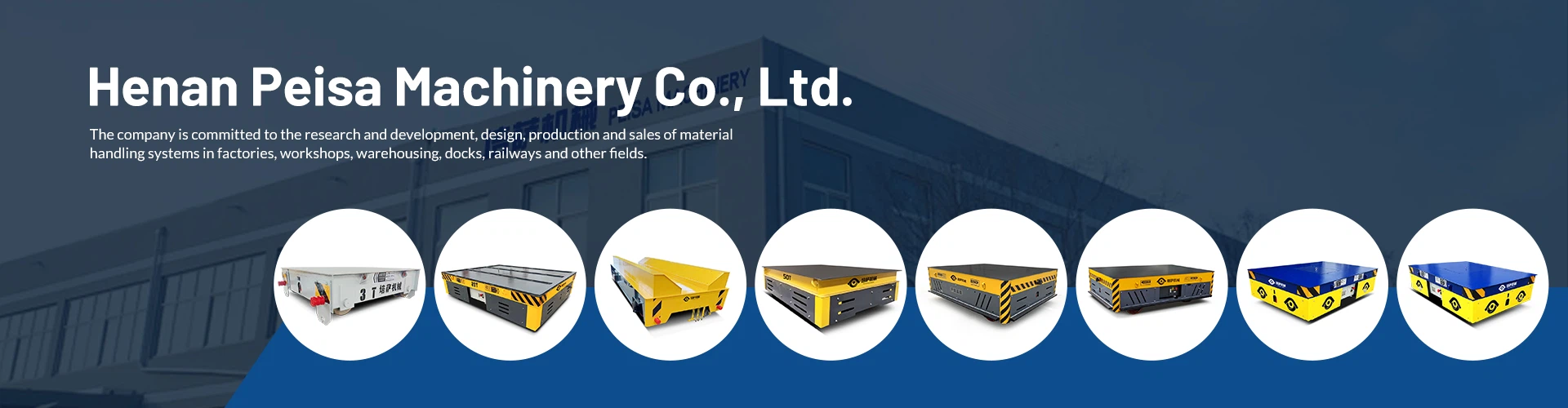


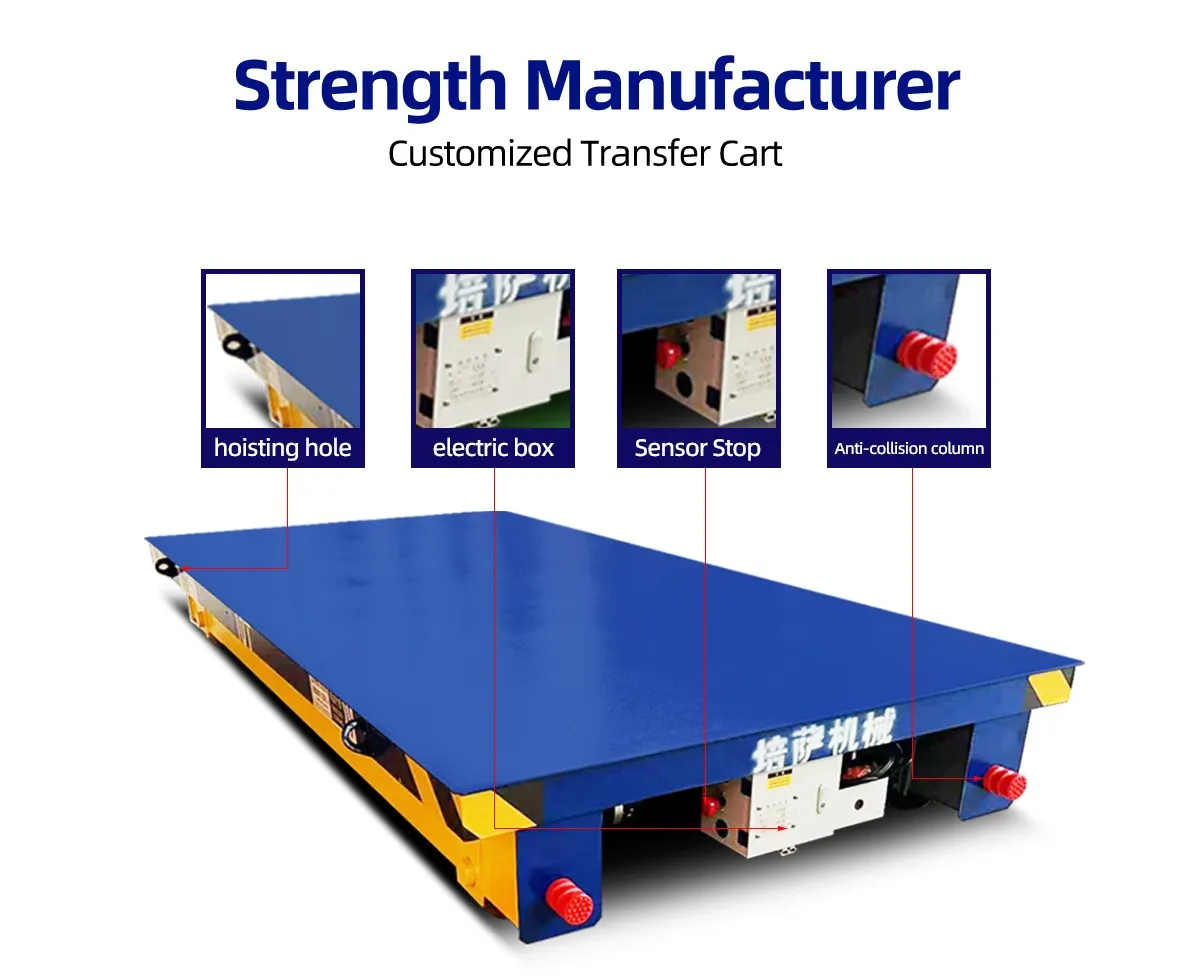
The Rail Power Transfer Cart is a flagship product in the DDG series. It primarily utilizes rail-based power supply to provide propulsion for the cart. This product offers distinct advantages, most notably its ability to deliver uninterrupted power to the cart, thereby eliminating any concerns regarding operating range or battery life.
Significant Disadvantages: This product is not suitable for use in rainy weather, nor in environments where conductive substances-such as iron slag, steel slag, or metal shavings-are present.
| Model | DDG | |||||||
| Rated load (T) | 5 | 10 | 20 | 30 | 50 | 60 | 150 | |
| Impacted rated load(T) | 7.5 | 15 | 22.5 | 30 | 45 | 60 | 75 | |
| Structure of frame | Steel plates welded,beam structure | |||||||
| Table Size (mm) | Customized | |||||||
| Height (mm) | 450 | 530 | 600 | 700 | 800 | 800 | 1000 | |
| Motor Power (Kw) | 2 | 2 | 3 | 4 | 6 | 8 | 22 | |
| Rail Distance(mm) | 1430 | 2000 | ||||||
| Running speed(m/min) | 0-30 | 0-30 | 0-30 | 0-30 | 0-30 | 0-30 | 0-30 | |
| Track selection | P18 | P18 | P24 | P38/43/50 | QU100 | |||
| Transformer power | 6 | 6 | 10 | 15 | 25 | 30 | 50 | |
| Break method | electromagnetic brake | |||||||
| Ground clearance | 500-100 | |||||||
| Balance adjustment | mechanical conditioning | |||||||
| Operating Mode | Wireless remote control/car handle | |||||||
| Battery Type | Lead-acid battery, maintenance-free battery, lithium battery | |||||||
| Safety protectio | Infrared contact stop, fan-scanning radar | |||||||
| Mesa requirement | Laying rubber, V-shaped frame, table lifting, rollover, work frame | |||||||
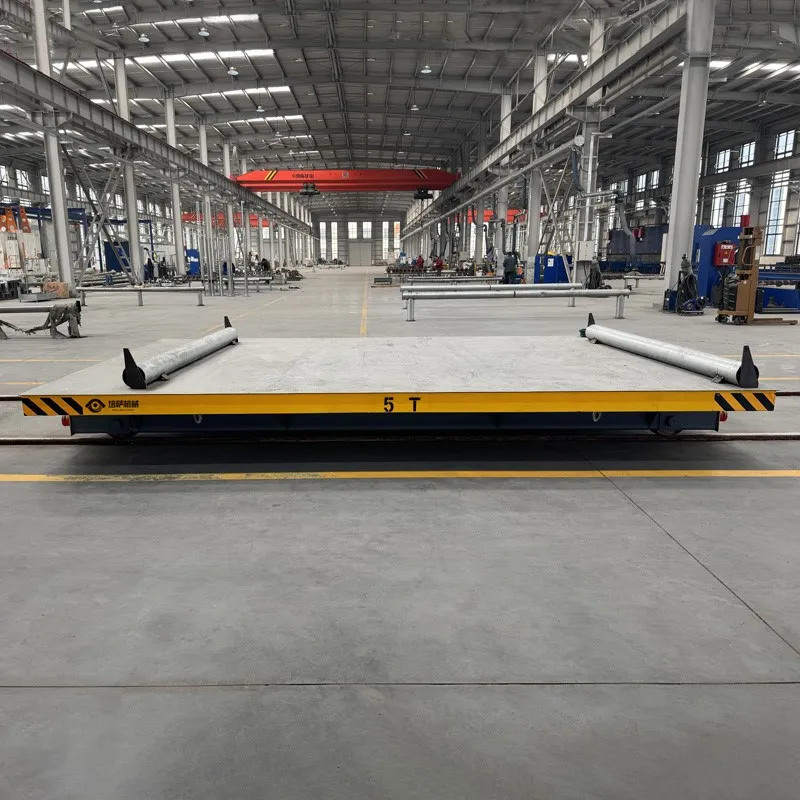
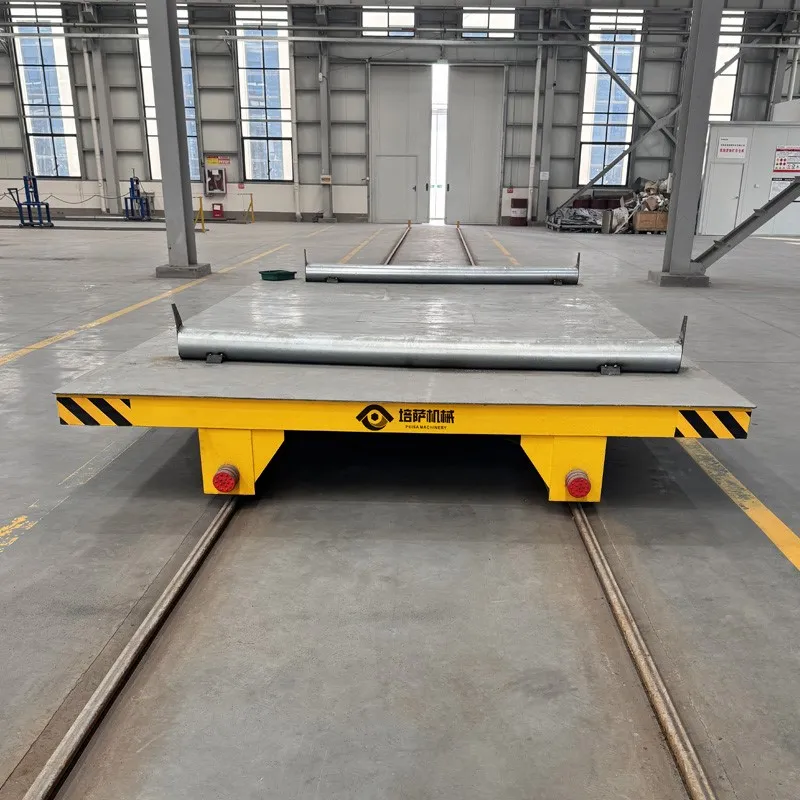
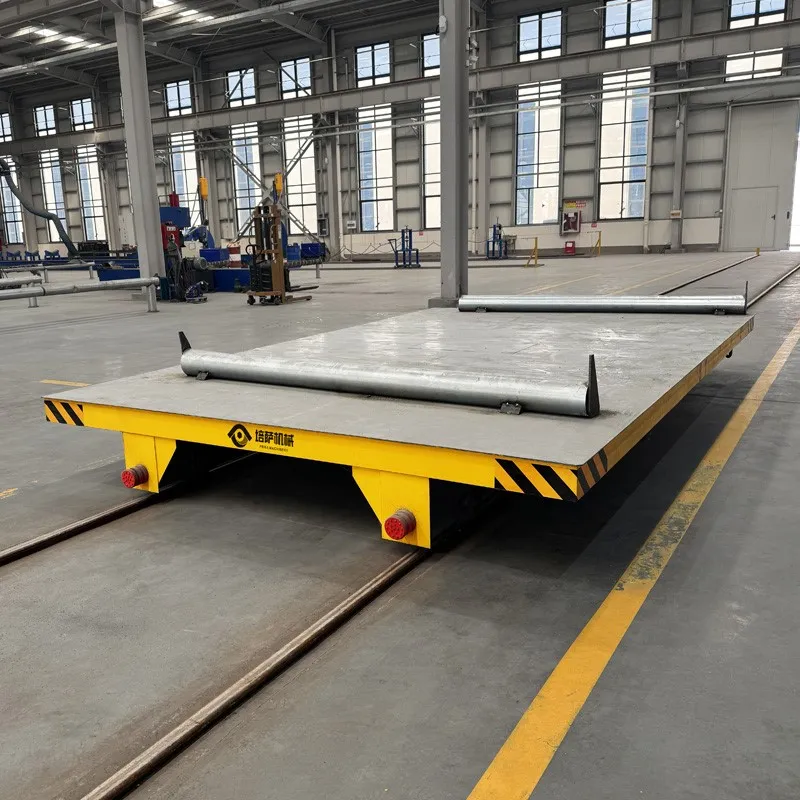
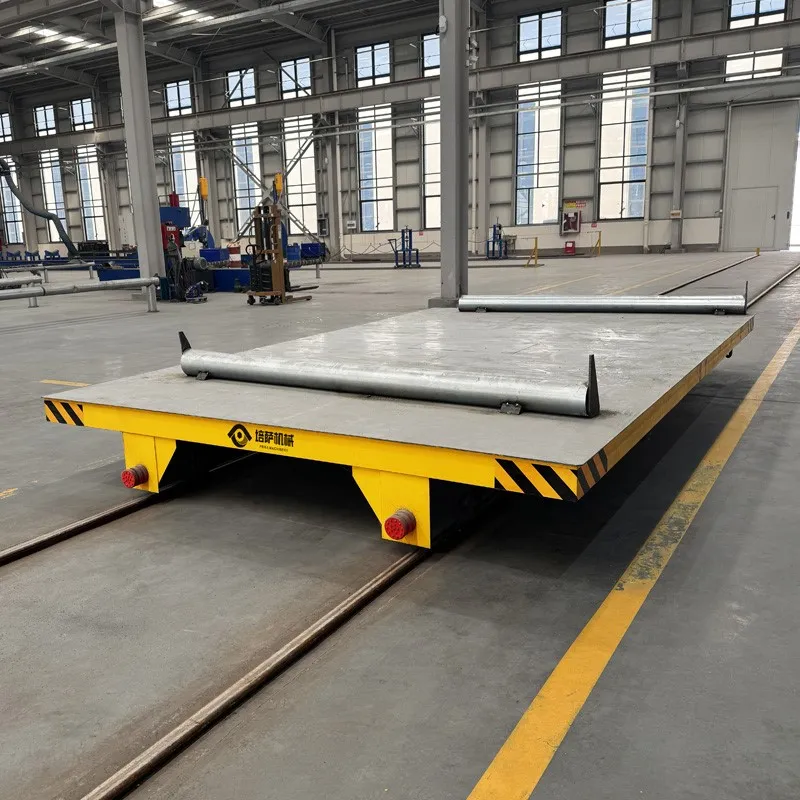
This 5-ton Rail Transfer Cart is a successful application case for our Anhui customer. It precisely matches the customer's fixed-route transfer requirements and has gained their approval due to its high cost-effectiveness and stable performance.
The Anhui customer mainly manufactures street lighting poles and needs to transfer these poles from the semi-finished product area to the paint booth for surface coating. The transfer path is a straight line with a fixed distance, and the customer's core requirements for the equipment were economical cost and compliance with quality standards.
After evaluating several transfer equipment options, we recommended this economical Rail flat cart based on the customer's straight-line transfer route and 5-ton load capacity requirements. We provided a detailed explanation of the equipment's cost-effectiveness, suitability, and quality assurance. After approving the proposed solution, the customer placed an order for this rail transfer cart.
After delivery, the equipment was quickly installed and matched with the existing workshop tracks. It was then put into operation for transporting street lighting poles. Currently, the rail cart is operating stably in the customer's workshop, efficiently handling the transfer process from the semi-finished product area to the paint booth.
It runs smoothly along the straight track, handles the 5-ton load reliably, and its economical design fully meets the customer's expectations. No quality issues have occurred, and the customer has expressed high satisfaction with the equipment's practicality and cost-effectiveness.

What Is a Rail-Powered Cross Rail Transfer Cart?
The primary difference between a Cross Rail Cart and a standard rail flat cart lies in the track system. A Cross Rail Cart operates on two sets of tracks-one running horizontally and the other vertically.
Additionally, the design of the transfer cart itself is different. Because the cart must travel along tracks in two directions, it requires two sets of drive mechanisms within the body, making it more expensive than standard rail carts.
The customization requirements for a rail cart are also relatively high. For instance, the minimum size must be at least 1200 mm; otherwise, there won't be enough space to install both drive systems.
Key Factors to Consider When Buying a Rail Flat cart
When purchasing a cargo transport platform, selecting the right Rail Flat cart depends on your transportation method, working environment, and other key factors:
Determine the Purpose of the Transfer Trolley:
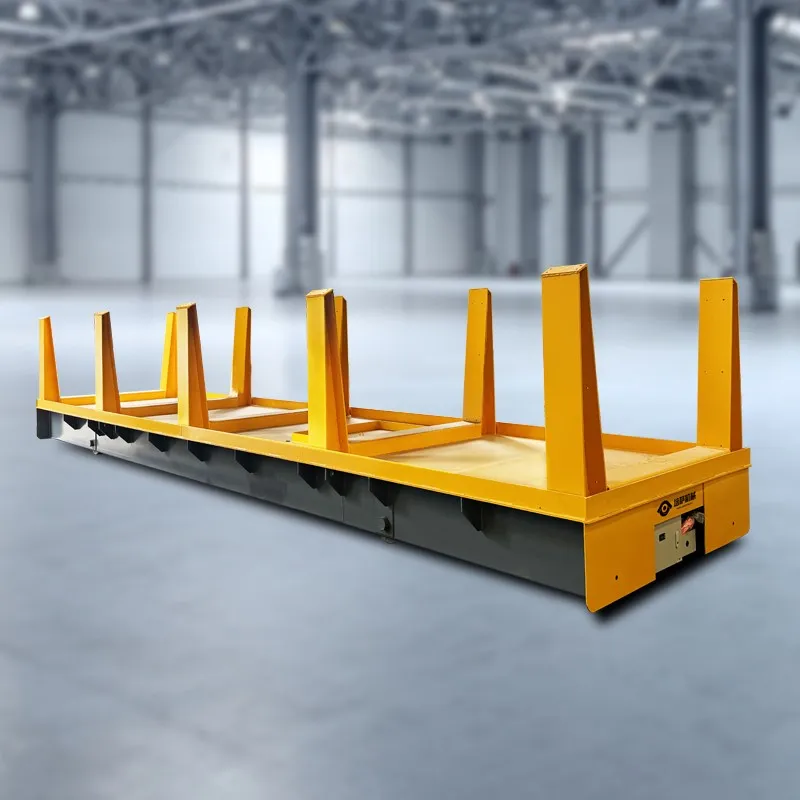
First, identify the type of materials you need to transport. This determines whether the cart should be designed as a flat cargo platform or a platform with specialized functions to meet your requirements.
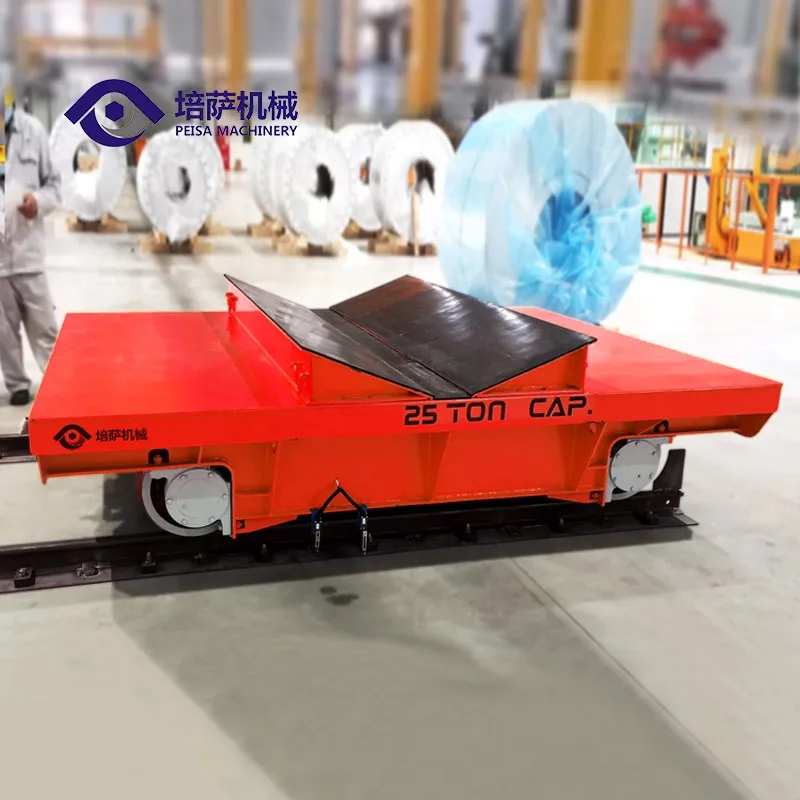
Endurance and Service Life
When selecting a transfer Trolley, it is important to calculate its mileage or usage time. PEISA Machinery designs the battery capacity based on the data you provide, ensuring that there is no downtime when using the Rail transfer cart. For rail-powered electric flat carts, endurance is not a concern, as they will continue to operate as long as your factory has a stable power supply.
Budget
The prices of Rail Falt carts vary depending on specifications and models, influenced by factors such as capacity, size, and functionality. If you have a clear budget, it will help the transfer Trolley manufacturer recommend the most suitable model while ensuring that essential functions remain unaffected.

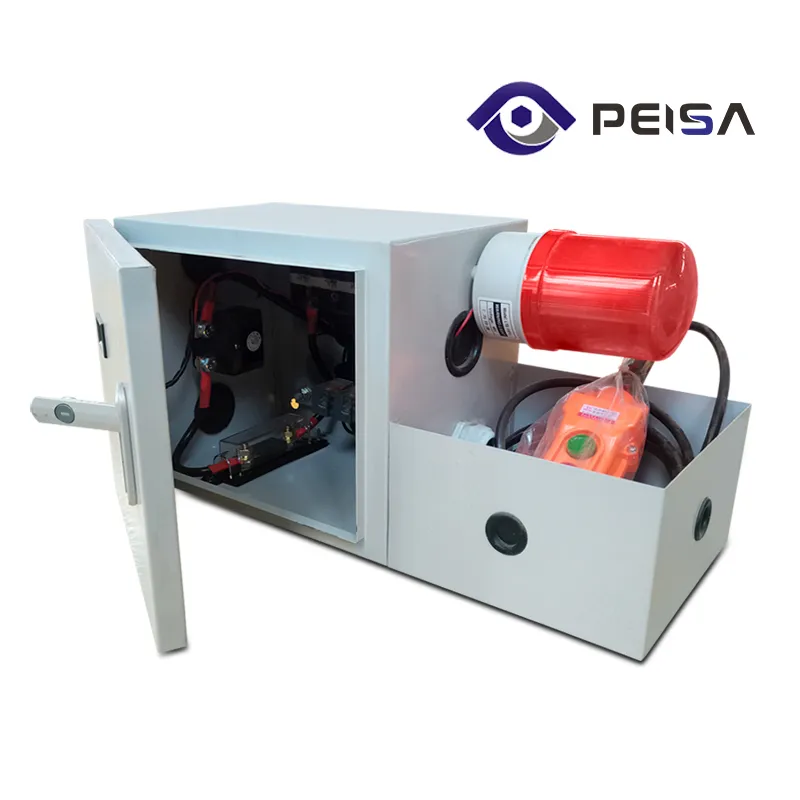
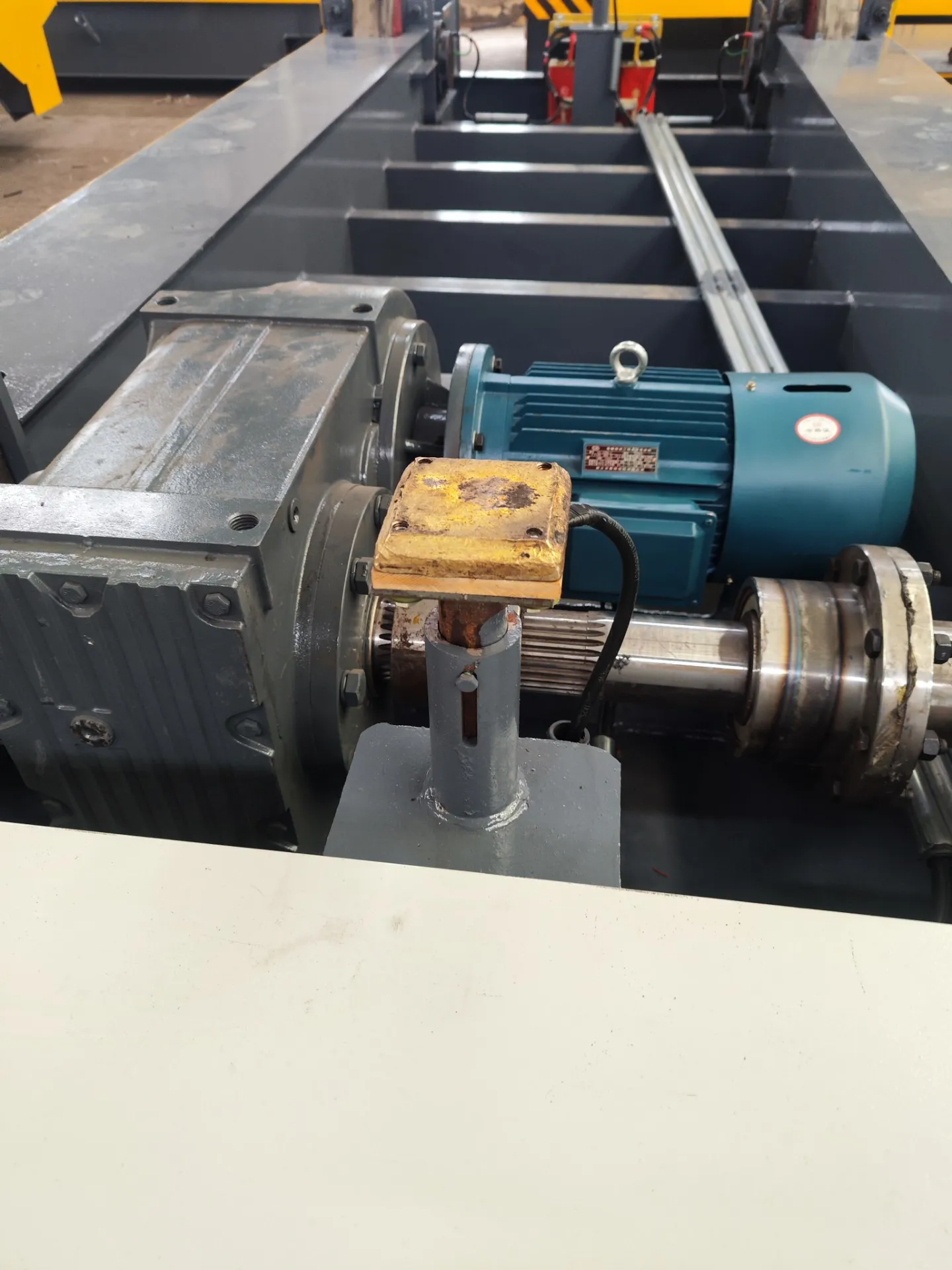
pick power mechanism
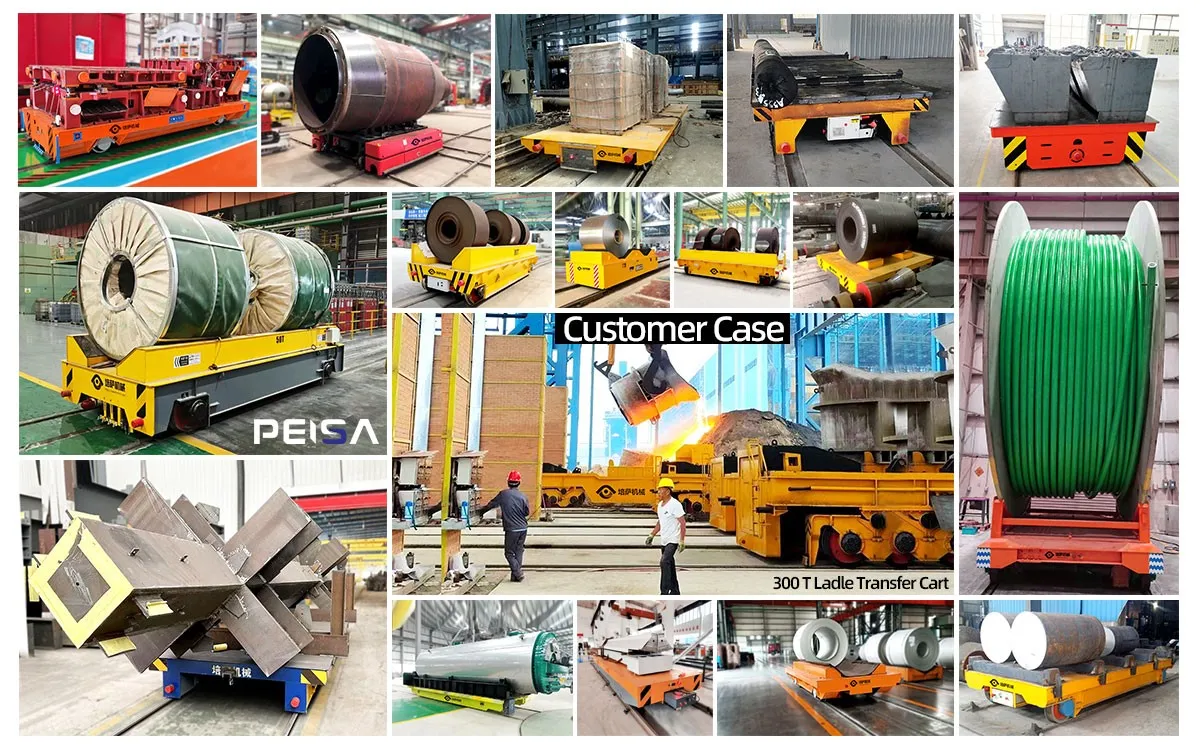
Hot Tags: Rail Power Transfer Cart, China Rail Power Transfer Cart manufacturers, factory, accumulating conveyor transfer rail transfer cart, spiral conveyor transfer rail transfer cart, gravity conveyor transfer rail transfer cart, conveyor transfer rail transfer cart, precision rail transfer cart, unloading conveyor transfer rail transfer cart


