

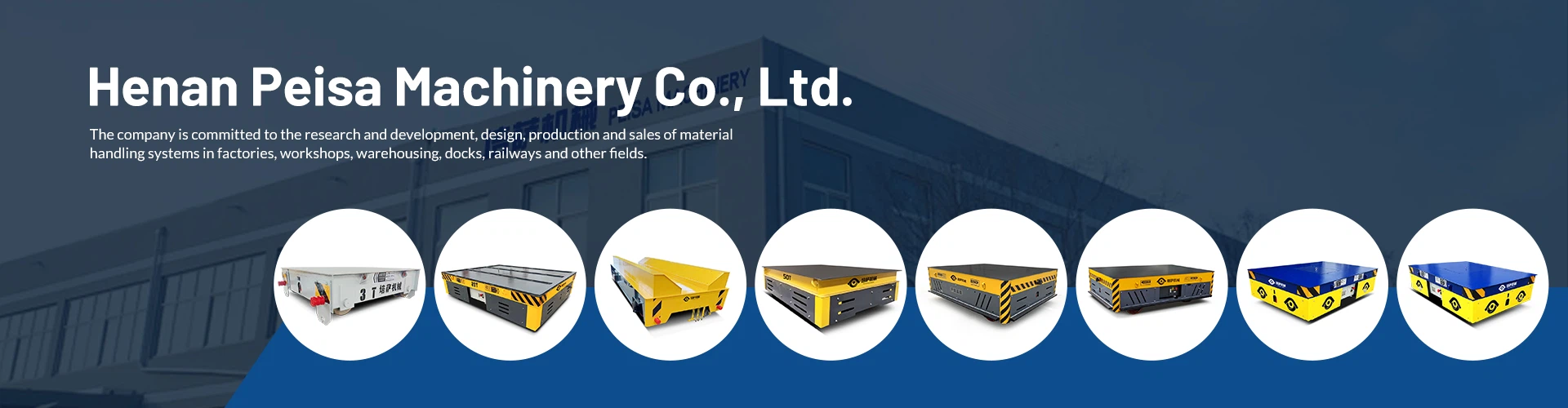
A transfer cart is a type of transport equipment used for moving heavy materials. It is mainly classified into two categories based on the different modes of transportation: trackless carts and rail transfer carts. These two types of flat carts each have their own advantages and are suited for specific scenarios. Some customers often ask about the difference between the two. Based on her own experience, Nancy will analyze the differences between trackless carts and rail transfer carts in detail, covering aspects such as carrying capacity, wheel types, power supply methods, application environments, and more. Let's explore their respective characteristics and advantages.
1. Carrying Capacity
Rail Transfer Cart: The carrying capacity of a rail transfer cart is higher than that of a trackless cart. Rail transfer carts run on a fixed track system, which provides a solid foundation for the flat cart. The track system, usually composed of rails and sleepers, evenly distributes the weight of the cart, reducing pressure on the ground and enabling it to support larger loads. Rail transfer carts can typically carry between 100 tons and 300 tons, making them ideal for transporting heavy materials. They are especially suitable for industries such as heavy casting workshops, shipbuilding, and wind power generation.
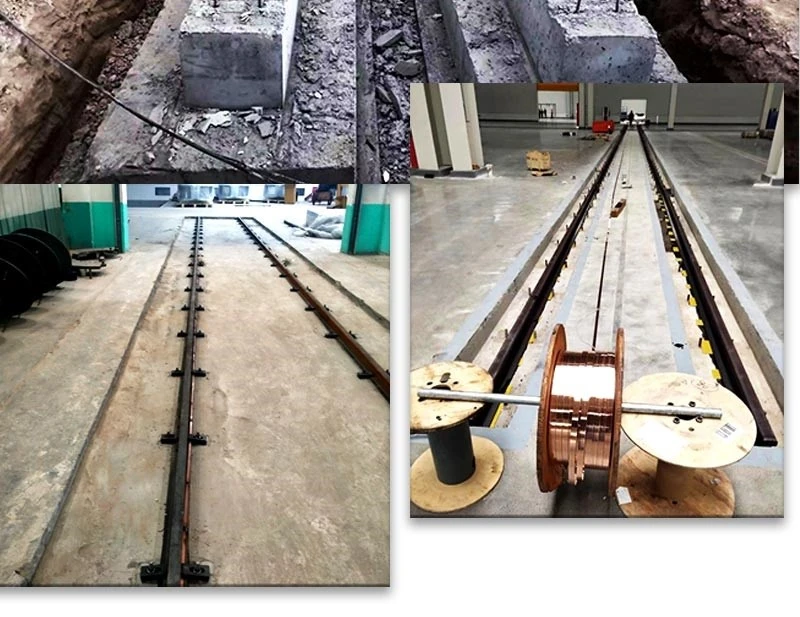
Trackless Cart: Trackless carts have a relatively lower load-bearing capacity because they do not have a fixed track system. The weight of the trackless cart is supported by the contact between the wheels and the ground, which limits its load-bearing capacity based on wheel material and ground conditions. Trackless carts typically have a load capacity between 1 ton and 150 tons and are better suited for transporting light and medium-sized materials. They are commonly used in large manufacturing industries, mechanical processing industries, and new energy industries.
2. Wheel Type
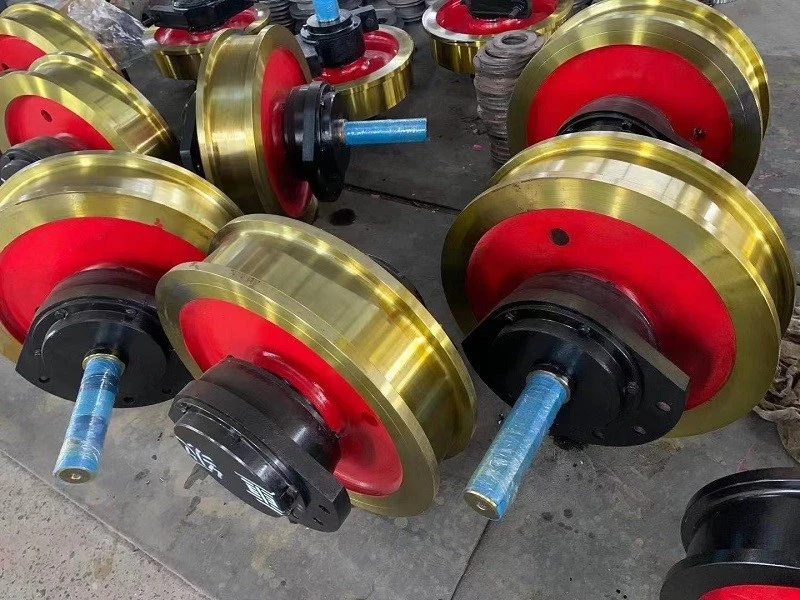
Rail Transfer Cart: Rail transfer carts generally use steel wheels, which offer high strength and wear resistance. These wheels can withstand large loads and long-term operation. The contact area between steel wheels and rails is large, reducing friction and energy loss, which helps improve operational efficiency. Steel wheels also have a long service life and low maintenance costs.
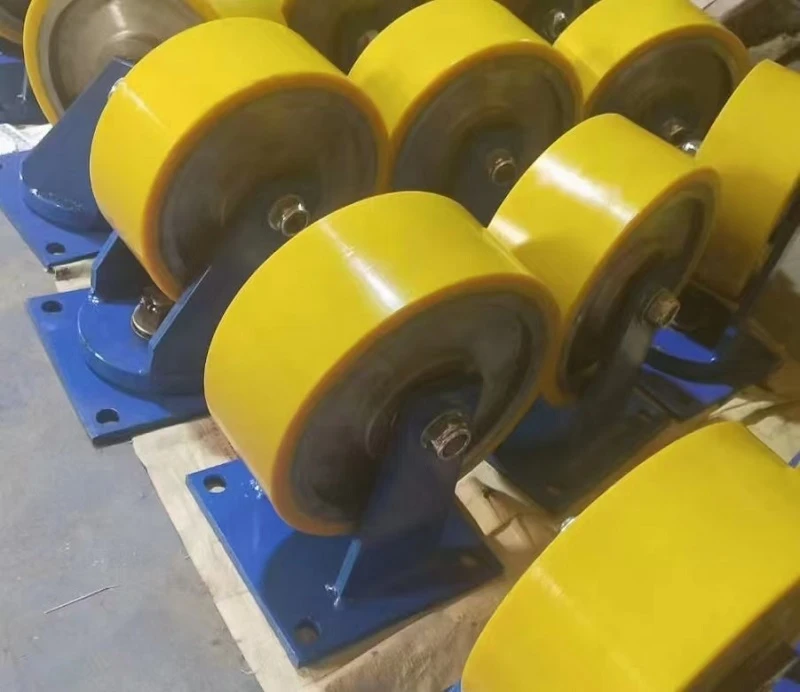
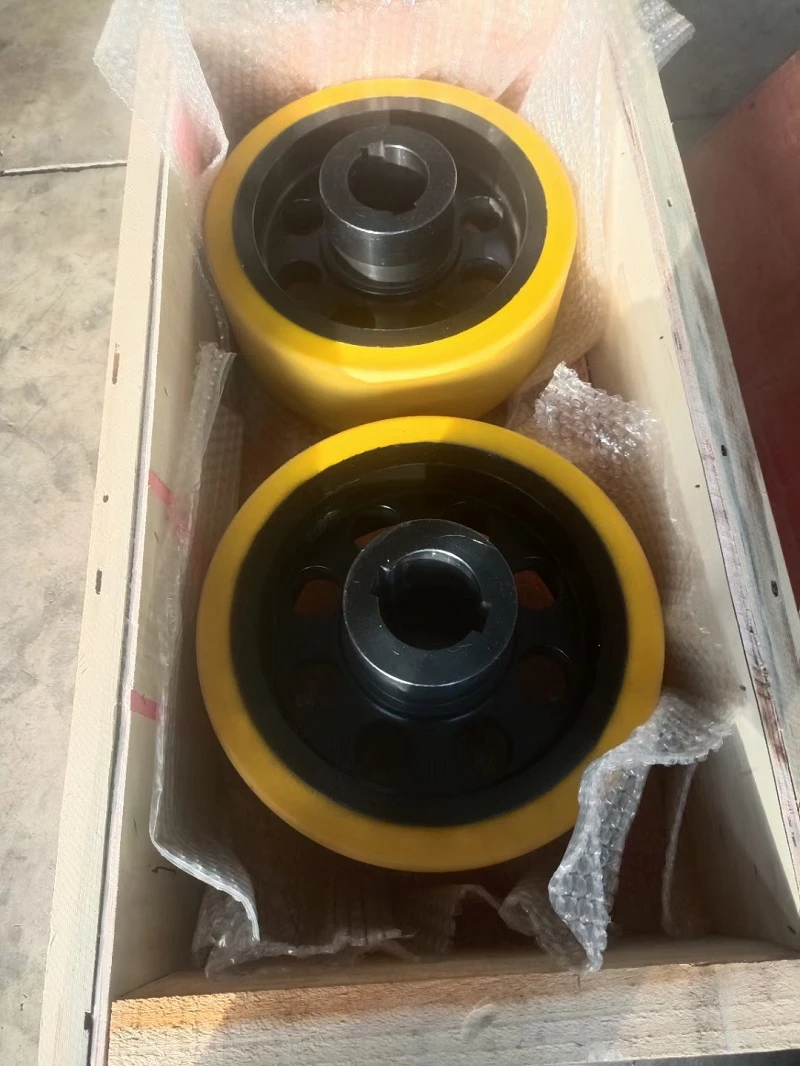
Trackless Cart: Trackless carts typically use polyurethane wheels (a wear-resistant polymer) or rubber wheels. The choice of wheel material depends on the ground conditions in the customer's transportation environment. Polyurethane wheels are highly elastic and wear-resistant, suitable for various ground conditions and reducing ground damage. Rubber wheels provide excellent shock absorption, impact resistance, and strong grip, offering a smoother driving experience. The wheel material selection for trackless carts is flexible and can be adjusted based on specific application scenarios.
3. Power Supply Method
Rail Transfer Cart: Rail transfer carts offer multiple power supply options, including low-voltage track power, battery power, and cable power. Low-voltage track power supplies power through conductive rails laid on the ground. The flat cart collects power from the track through a collector to drive the motor. Battery-powered rail transfer carts use built-in batteries, making them suitable for locations without fixed power supply lines. Cable-powered carts are connected to a power supply through cables, suitable for short-distance transportation. The diverse power supply methods make rail transfer carts adaptable to different application needs.


Trackless Cart: The power supply method for trackless carts is relatively simple, with most carts being battery-powered. Battery power is flexible and portable, ideal for transportation tasks in various environments. The battery capacity and endurance can be selected according to specific needs, but managing charging and maintenance adds some cost and requires attention.
4. Application Environment
Rail Transfer Cart: Rail transfer carts are typically used for long-distance, fixed-route transportation tasks in environments requiring precise guidance. The track system provides a stable running path, ensuring the flat cart operates with high precision in complex environments. Rail transfer carts are ideal for material transportation in fixed locations such as factories, warehouses, and docks, particularly for the movement of heavy materials.
Trackless Cart: Trackless carts are suitable for any environment, as they can turn flexibly, travel in straight lines, curves, and even narrow spaces. Without the constraints of fixed tracks, they can be easily adjusted to suit the actual needs of various tasks. Trackless carts are widely used in workshops, warehouses, logistics centers, and other areas, especially for transporting light and medium-sized materials.
